Niizawa Senzuka Kofun Cluster
Walk among a burial landscape of roughly 600 ancient mounds.
 Verified site photographs are being prepared.
Discover Niizawa Senzuka Kofun Cluster
Niizawa Senzuka is best understood as a burial landscape rather than one monumental tomb. Kashihara City counts about 600 mounds across low ridges extending from the Kaibuki-yama foothills, while the park operator says about 400 are within the managed park; the wider total is not a count of mounds visitors can all reach. People built the cluster over roughly two centuries, from the late fourth through the late sixth century. The preserved public paths let visitors read that long sequence in the terrain: modest rises recur among trees instead of forming one dramatic skyline. The earliest mound, No. 500, is a 62-metre keyhole-shaped tomb about a kilometre southwest of the main designated hill area, so it is a separate location and is not assumed to be part of this park walk. The finds from No. 126, meanwhile, show how objects from distant parts of Asia reached this community. Together, these contrasts make the cluster more legible than any single mound can.
A long sequence of burials
The city identifies Nos. 500 and 213 among the earliest known tombs and says construction continued until the end of the sixth century. The greatest concentration belongs to the late fifth and early sixth centuries. No. 500 is a 62-metre keyhole-shaped tomb in Ichimachi, about one kilometre southwest of the main designated hill area; the city's record does not establish a public visitor route from the park, so do not navigate to it as part of the park circuit. The numbered mounds are individual archaeological records, not identical replicas.
Connections far beyond the hills
Tomb No. 126 held unusually rich grave goods, including gold and silver ornaments and glass vessels. Kashihara City describes the assemblage as including objects from China, the Korean Peninsula and the Persian region. The National Institutes for Cultural Heritage adds an important qualification: the glass bowl and dish have no confirmed place of manufacture, although the dish's decoration has led researchers to suggest a Sasanian Persian origin. This is a scholarly attribution, not proof of a direct trade route or of the buried person's birthplace. The objects show that materials and styles from far beyond the Yoshino hills reached this community; they do not tell us the full life story of the person buried here.
Walk the northern and southern groups
The wider cluster contains about 600 mounds, of which the park operator says about 400 lie within the managed park. Public paths pass through preserved groups on both sides of the area, with low mounds appearing at different scales; this does not mean every mound is reachable or open to entry. A Kashihara tourism feature points out Tomb No. 17's unusual form and the celebrated No. 126. Use numbered signs and the park map, and stay on designated paths rather than treating each mound as open climbing ground.
Look for the unusual form of Tomb No. 17
Kashihara's tourism feature describes No. 17 as a round mound set on a rectangular base, an uncommon form in Japan. It remains unexcavated, so the reason for its shape and the details of its burial are unknown. Read it as a visible question in the landscape, not as a solved story; view it from the public path and do not climb the mound.
Keep the finds separate from the mounds
The city describes No. 126 as a roughly 22-by-16-metre rectangular mound dating to around the late fifth century; grave goods were placed with a wooden coffin. No. 500, outside the main designated hill area, is a roughly 62-metre keyhole-shaped tomb whose unrobbed subsidiary chamber yielded six mirrors and other objects. These finds are held or displayed elsewhere, including at the Nara Prefectural Kashihara Archaeological Institute Museum; they are not objects visitors can expect to see along the park paths.
Compare mound and museum
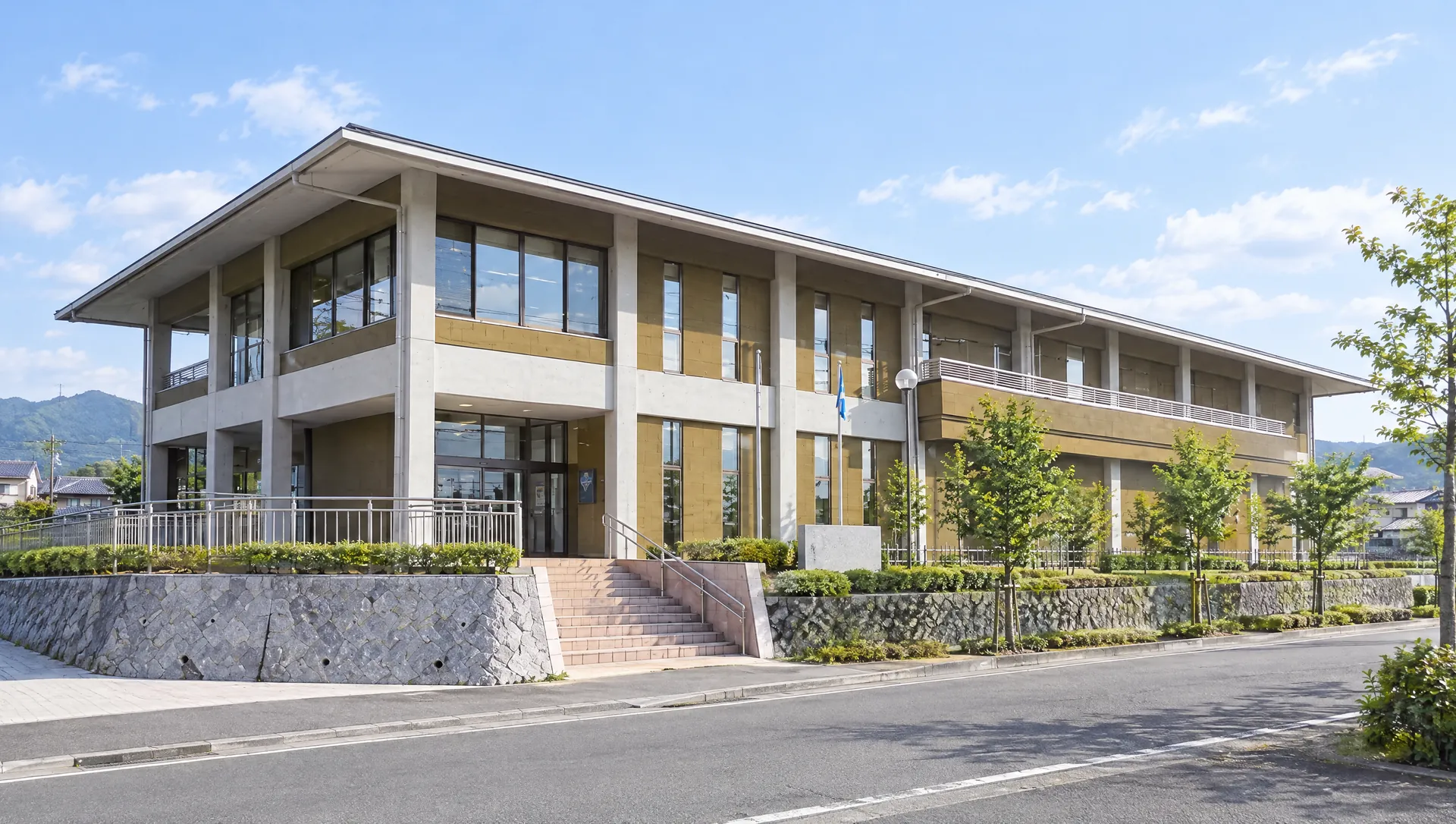
The Kashihara City Museum of History sits beside the burial landscape. Its interpretation and replicas of No. 126 finds help distinguish what archaeology recovered from what remains visible outside. Plan the museum separately: it charges admission and closes on some days even when the park is accessible.
Make room for the present-day park
This is also a managed neighborhood park, with a play area, water features, seasonal planting and the OTENKI Terrace facility. Kashihara City lists the Dragon Fountain as operating 08:00–18:00; its flow can vary because it uses well water. The Dragon Pond is cleaned on Tuesdays and Fridays, subject to weather and other changes, and may take about half a day to refill afterward. The city lists mist operation from May through October. These are park amenities, separate from access to the archaeological mounds; check the current municipal notice for changes before planning around water play.
Check the paths before you set out
Kashihara City's accessibility information says the entrance has no step, but several routes from the park toward the kofun groups include stairways with risers about 15–20 cm high and up to roughly 30 steps. Some sections can be avoided using a ramp; the published information does not establish one continuous step-free circuit through the burial mounds. The city lists seven priority parking spaces, multipurpose toilets and baby-care facilities. If you need a step-free route, ask the park operator which paths are currently usable before travelling.
Respect the park's rules and carry out your rubbish
The park operator says there are no rubbish bins, so take food packaging and other waste with you. Fires, barbecues and damaging or collecting plants and wildlife are prohibited; dogs must stay on a lead and their waste must be taken away. These rules help protect both the archaeological landscape and the shared park.
Pause at the park's café
OTENKI Terrace is a distinct food stop within the wider archaeological park and has its own guide. Check the café and park operator for current hours, menu and any seasonal facility operation before planning around them.
What to look for
The pattern of small mounds
Walk the designated paths and compare the low rises around you. Their number is the defining feature of this site.
Tomb No. 126 in context
Use the city's interpretation to place its celebrated finds within the much larger cluster.
No. 17's rare shape
A round mound sits on a rectangular base; because it is unexcavated, its story remains unknown.
A museum beside the park
Compare the visible mounds with archaeological displays, keeping replicas distinct from original finds.
Photo notes
The reviewed city park page does not grant reuse of its photographs. Personal outdoor photography must respect other visitors, restricted zones and any posted signs; seek permission for commercial images or city-provided pictures.
Make a day of it
Explore guides close to this map point, then check the actual route before travelling. Distances below are straight lines, not walking distances or travel times; map points may not be entrances.
Sources & editorial status
Original MyNara draft based on the linked sources. Sources reviewed 24 October 2026. Opening arrangements, prices and offers may change; use the operator's current information before travelling.
- Kashihara City cluster history
- Kashihara City — current park information: fountain hours, pond cleaning/refill and seasonal mist
- Kashihara tourism walking feature
- Kashihara archaeological museum guide
- Kashihara City — preserved mound groups and public walking access
- Kashihara City — No. 500 location, form and excavated finds; separate from main designated hill area
- Kashihara City — No. 126 location, burial and finds
- National Institutes for Cultural Heritage — e-Museum: Tomb No. 126 objects and qualified glass-vessel provenance
- Kashihara City — accessibility information for tourist sites (stairs, ramps, parking and toilets)
- Mizuno — Niizawa Senzuka park operator and current facility notices
- Mizuno — park access, bus stop and parking capacities/restrictions
- Mizuno — park rules: no rubbish bins, no fires/barbecues, protect plants and wildlife, dogs on leads