
Ancient Nara, beyond the landmarks
Small tombs. Big stories.
Nara's burial mounds range from celebrated monuments to quiet hillsides and entire clusters of small graves. Explore each with its setting, construction and access in mind. These English guides are original drafts checked against local primary sources.
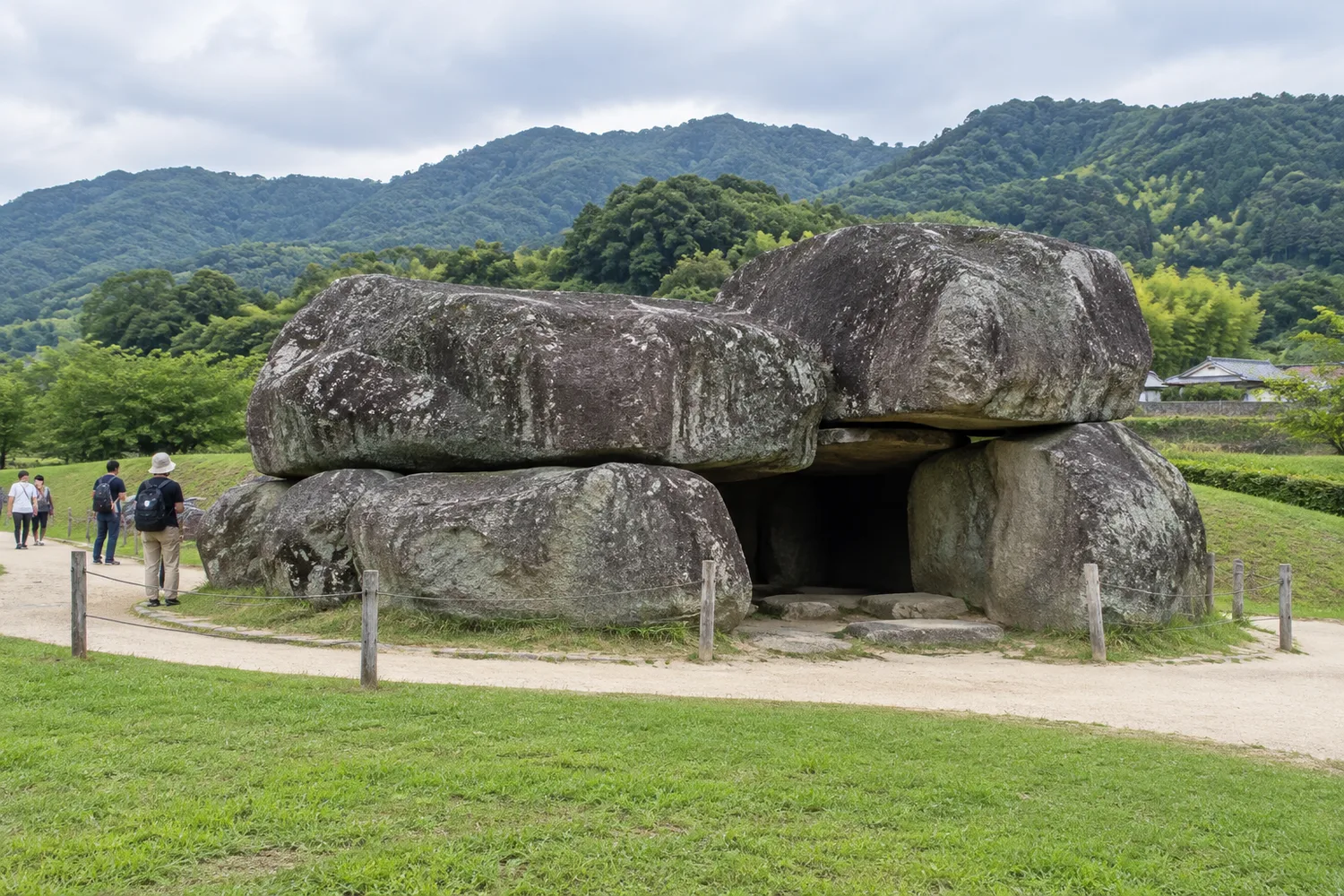 AsukaIshibutai KofunWalk beneath 2,300 tonnes of exposed stone and read the excavated tomb without mistaking its likely owner for a proven identity.Read the guide
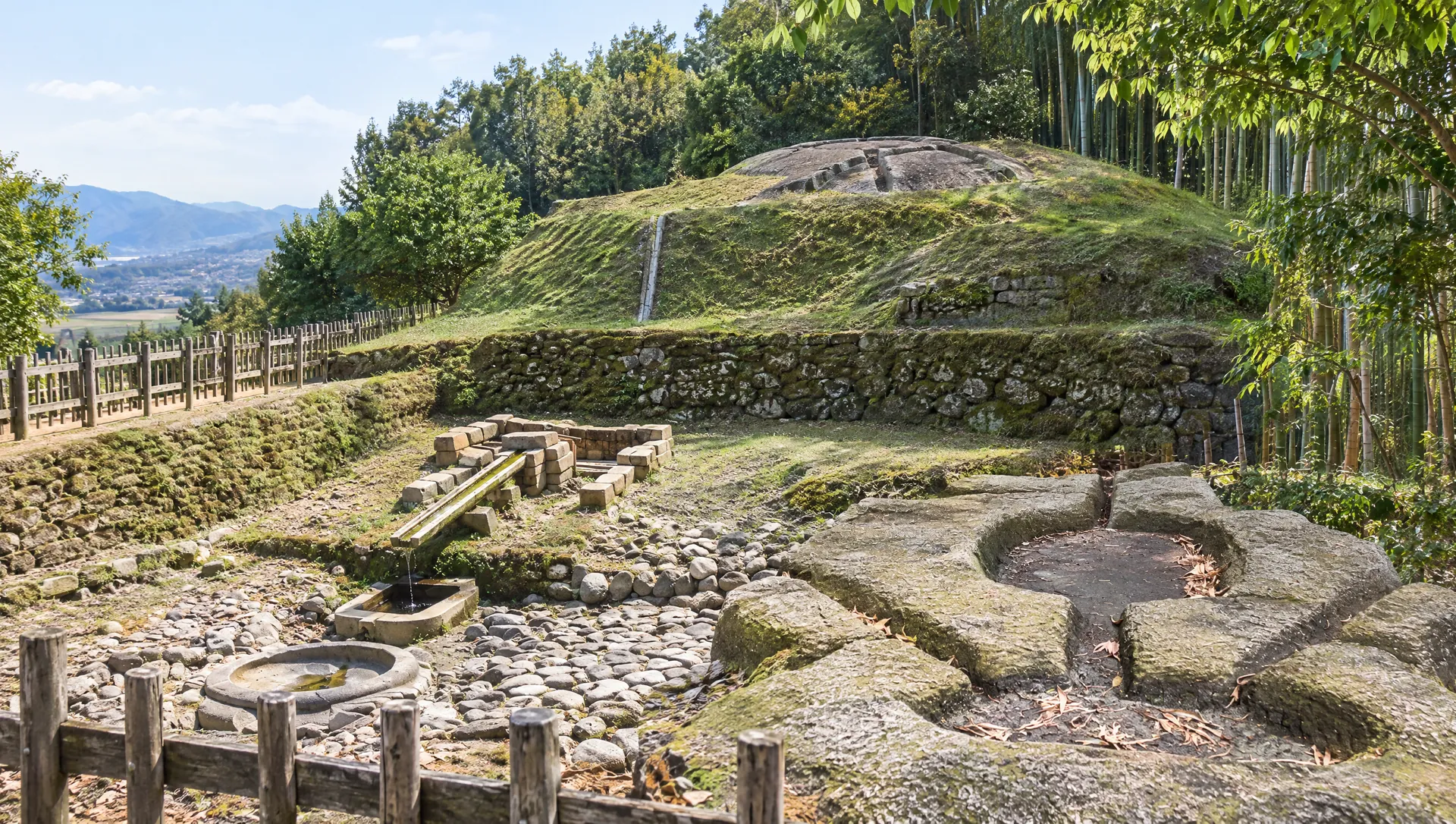 AsukaSakafuneishi Archaeological SiteClimb through a walled ritual landscape to a mysterious carved stone, then compare it with the turtle-shaped basin below.Read the guide Site photograph pending AsukaSaruishi: Four Human-Faced Stones at Kibi-hime's TombSee four expressive granite figures beside Emperor Kinmei's mausoleum, while keeping their original purpose and the tomb's attribution open to question.Read the guide
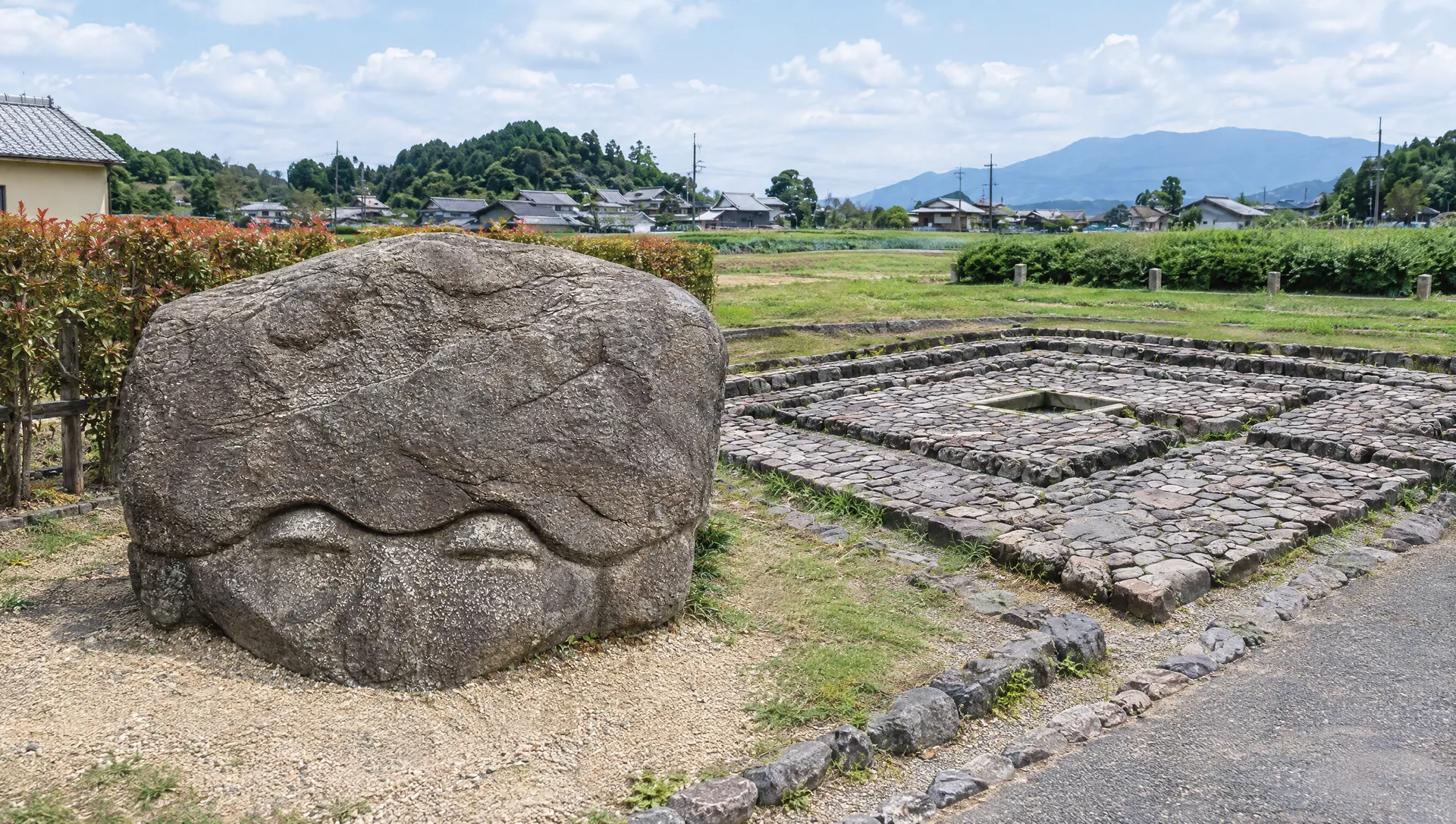 AsukaOni-no-Manaita and Oni-no-Setchin: Stone Remains and Ogre FolkloreCompare two exposed blocks from a dismantled stone chamber, then separate their archaeological interpretation from the story of an ogre's kitchen and privy.Read the guide Site photograph pending AsukaTenmu and Jitō Imperial Tomb: Visit the Worship AreaStand at the managed approach to the joint imperial mausoleum and trace why its two rulers matter to Asuka's capital story.Read the guide
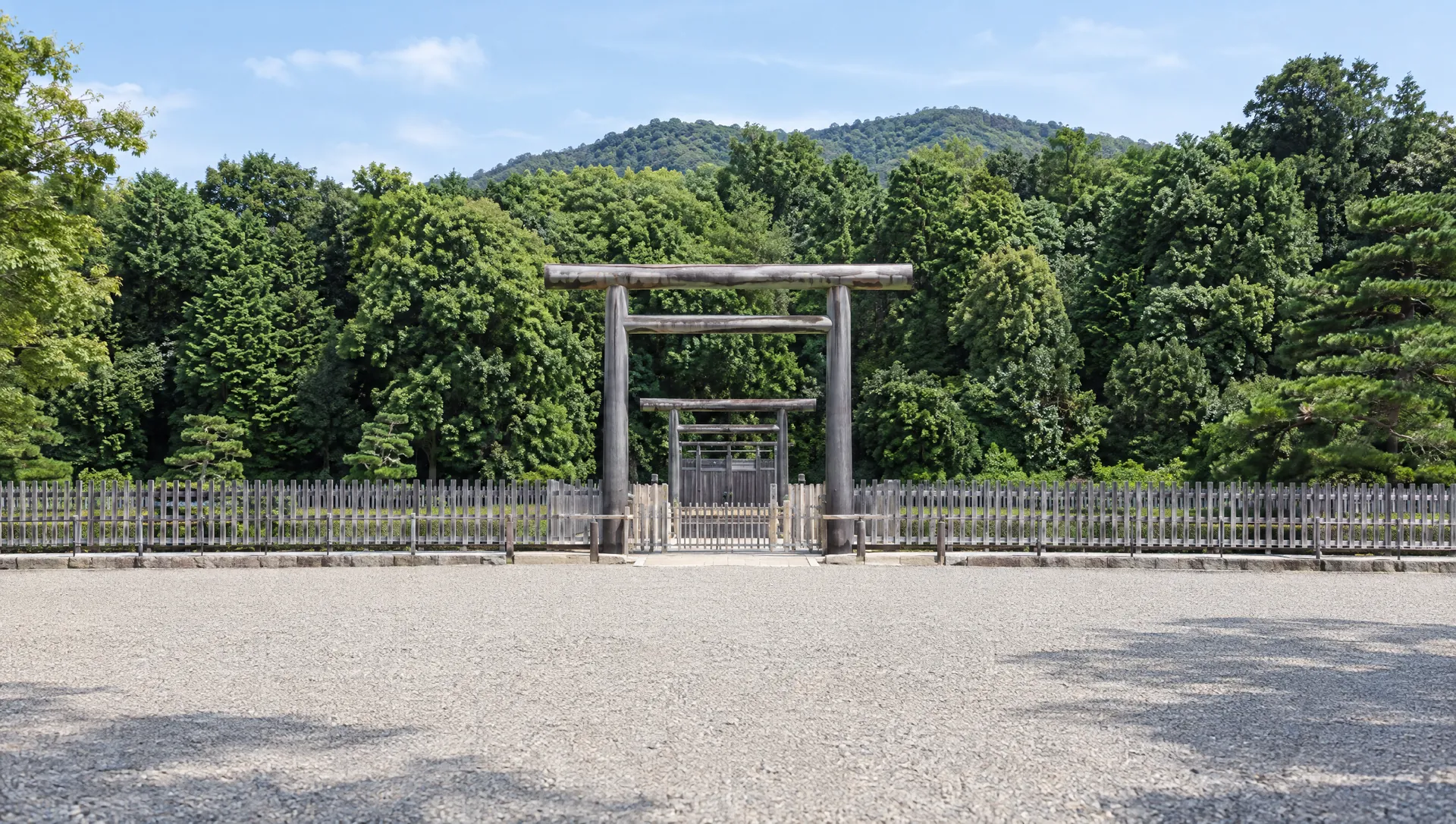 Kashihara & ImaichoEmperor Jimmu's Mausoleum: Understand a Living MemorialApproach the Imperial Household Agency's worship point for Jimmu beneath Mount Unebi, with legend and archaeological certainty kept separate.Read the guide Site photograph pending AsukaKoshitsukagomon KofunA small neighbouring tomb with a stone chamber and a short on-site film about Asuka's imperial family.Read the guide
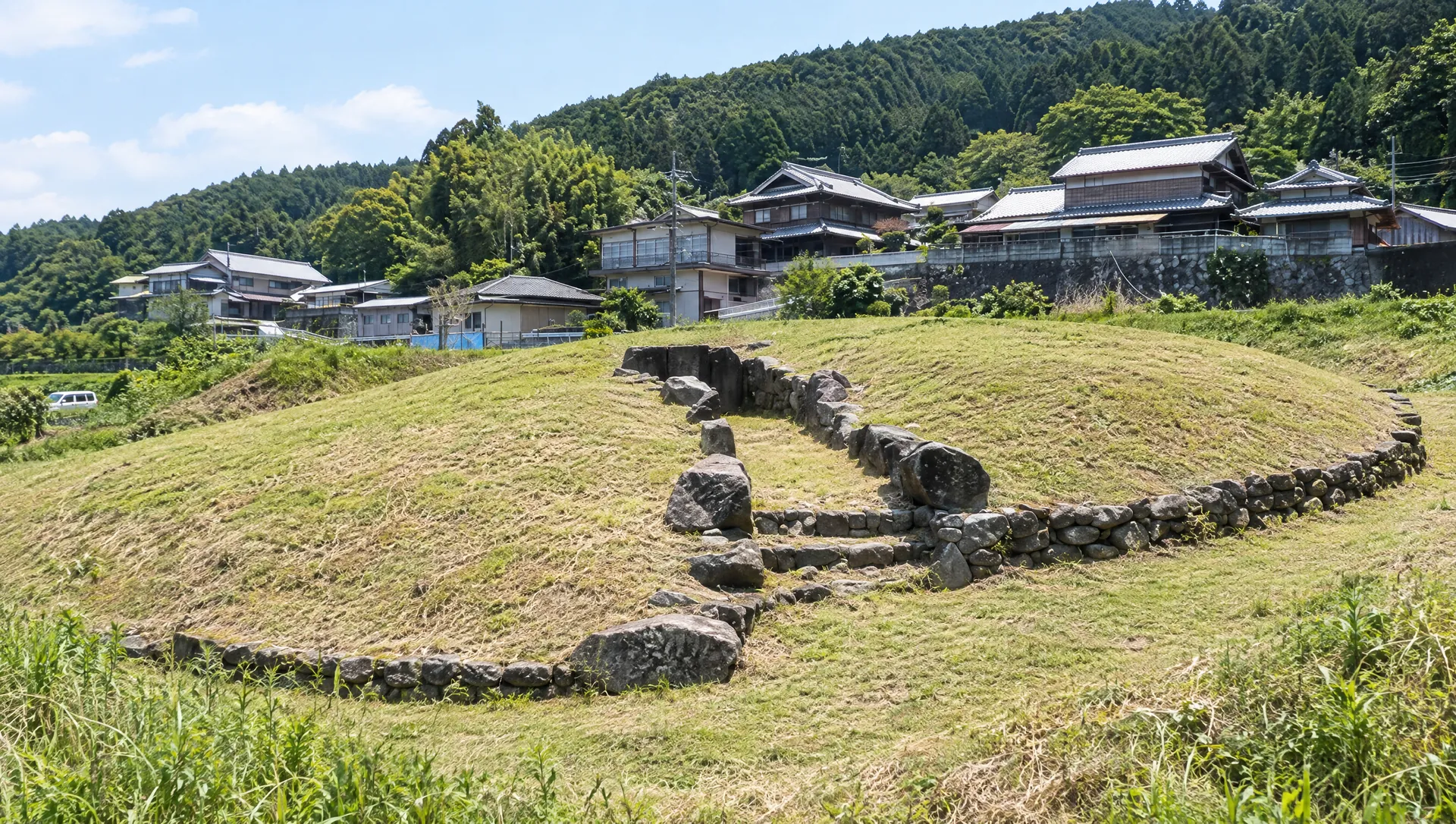 Nara CityMizuki KofunA solitary late-sixth-century tomb on the Kengo-no-michi trail, with a low stone-edged mound and side-entry chamber above the Oyagyu basin.Read the guide Site photograph pending Kashihara & ImaichoNiizawa Senzuka Kofun ClusterWalk among a burial landscape of roughly 600 ancient mounds.Read the guide Site photograph pending AsukaIwayayama KofunA low-profile Asuka tomb with a carefully cut stone chamber and a distinctive hidden drainage system.Read the guide Site photograph pending AsukaKengoshizuka KofunCompare a restored imperial-style octagon with its neighbour, then choose whether to book the chamber programme.Read the guide Site photograph pending SakuraiAbe Monju-in West KofunEnter a finely cut seventh-century stone chamber within a working temple precinct.Read the guide
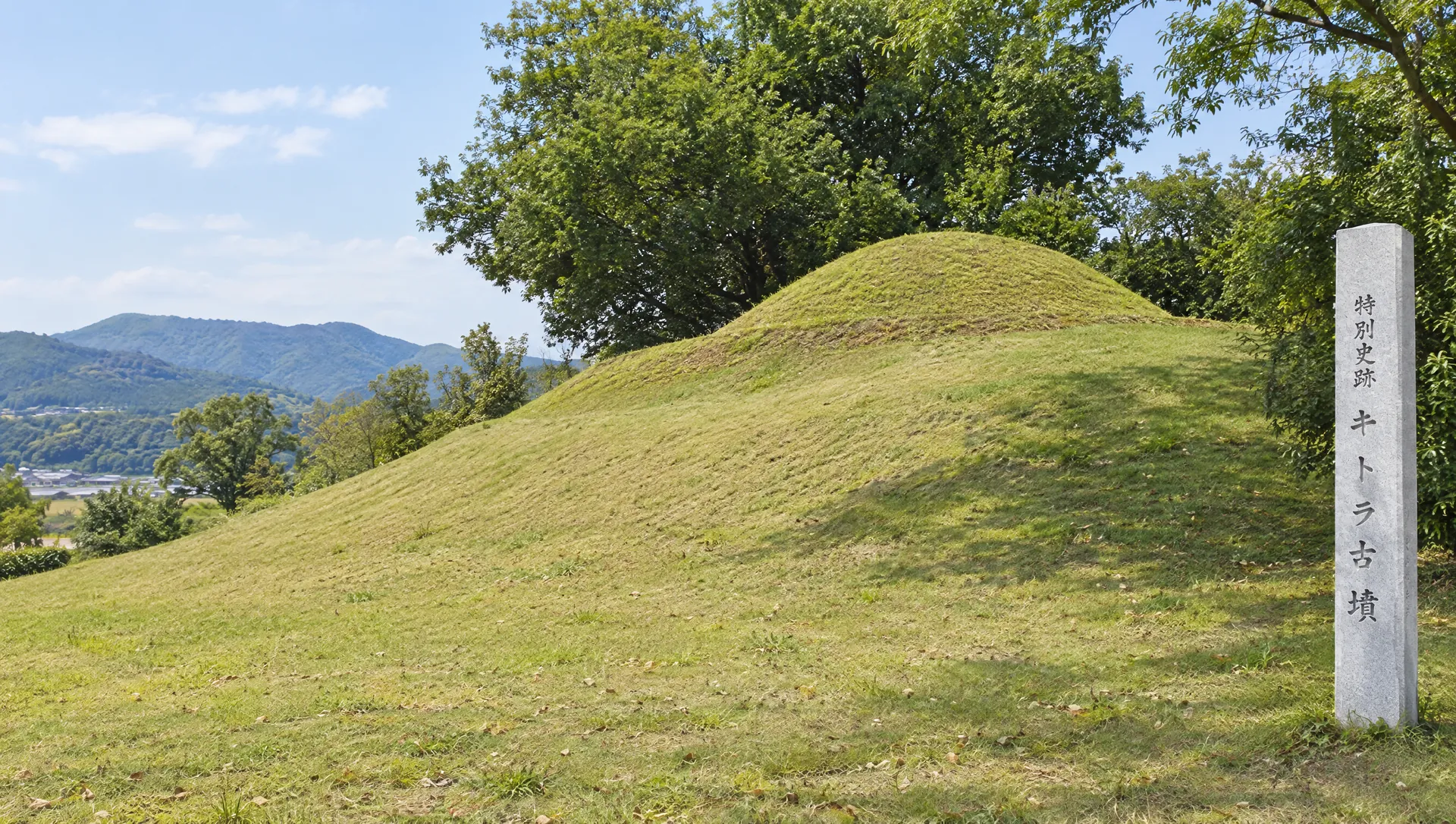 AsukaKitora Kofun: A Painted Tomb Beneath Asuka's HillsA restored two-tiered mound marks the burial place whose fragile chamber paintings include a detailed star chart and four directional guardians.Read the guide
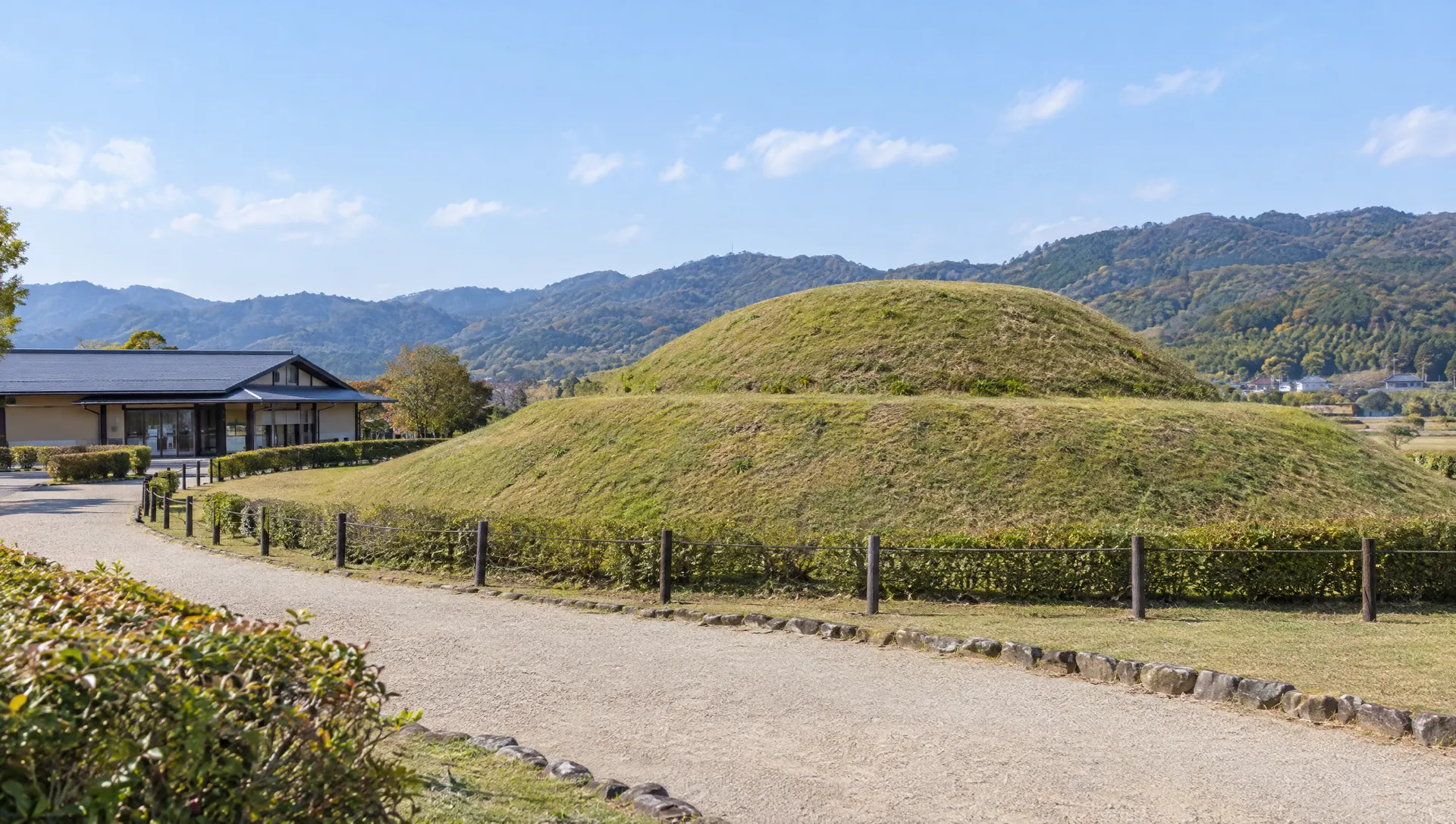 AsukaTakamatsuzuka Kofun: The Painted Tomb of AsukaA quiet two-tiered mound whose 1972 mural discovery changed Japanese archaeology; the original paintings are conserved away from the tomb.Read the guide Site photograph pending AsukaNakaoyama KofunA compact, three-tiered octagonal tomb linked by archaeological evidence to Emperor Monmu.Read the guide Site photograph pending OyodoOiwa No. 3 Stone Coffin at DainichidōSee a rescued stone coffin from the Oiwa burial-mound group beside a small mountain hall, with the town's interpretation board explaining its relocation.Read the guide Site photograph pending OyodoIshigami KofunClimb to a preserved seventh-century mound above the Yoshino valley and read its long stone chamber through finds linked to both Yamato and the Kinokawa region.Read the guide Site photograph pending OyodoMakigamine KofunReach a quiet ridge tomb by a steep village trail and look for the stone shelf that links this small Yoshino mound to a rare Kinokawa-area chamber tradition.Read the guide Site photograph pending ShimoichiOkamine KofunArrange an authorized chamber visit to see a rare stone-shelf tomb whose west-facing entrance and decorated sword fittings make it one of Yoshino's most distinctive archaeological sites.Read the guide Site photograph pending Katsuragi & GoseMuro Miyayama KofunFollow the managed path from Muro Hachiman Shrine to the rear mound, where a fifth-century stone chamber and coffin can be viewed from the designated route.Read the guide Site photograph pending Katsuragi & GoseMidoro South KofunA seventh-century burial mound with two house-shaped stone coffins, including a rare lotus-carved coffin lid; chamber visits must be arranged with the local owner in advance.Read the guide Site photograph pending Katsuragi & GoseMidoro North KofunA large sixth- to seventh-century chamber tomb preserved in a private home's garden; visits require advance contact.Read the guide Site photograph pending Katsuragi & GoseWakigami Kansuzuka KofunA wooded 150-metre keyhole tomb with a 15-metre moat and a southern corner shaped by an even earlier burial mound.Read the guide
 TenriKurotsuka Kofun and City MuseumRead an early keyhole tomb beside a museum that reconstructs its chamber and explains the 33 mirrors found around its coffin.Read the guide
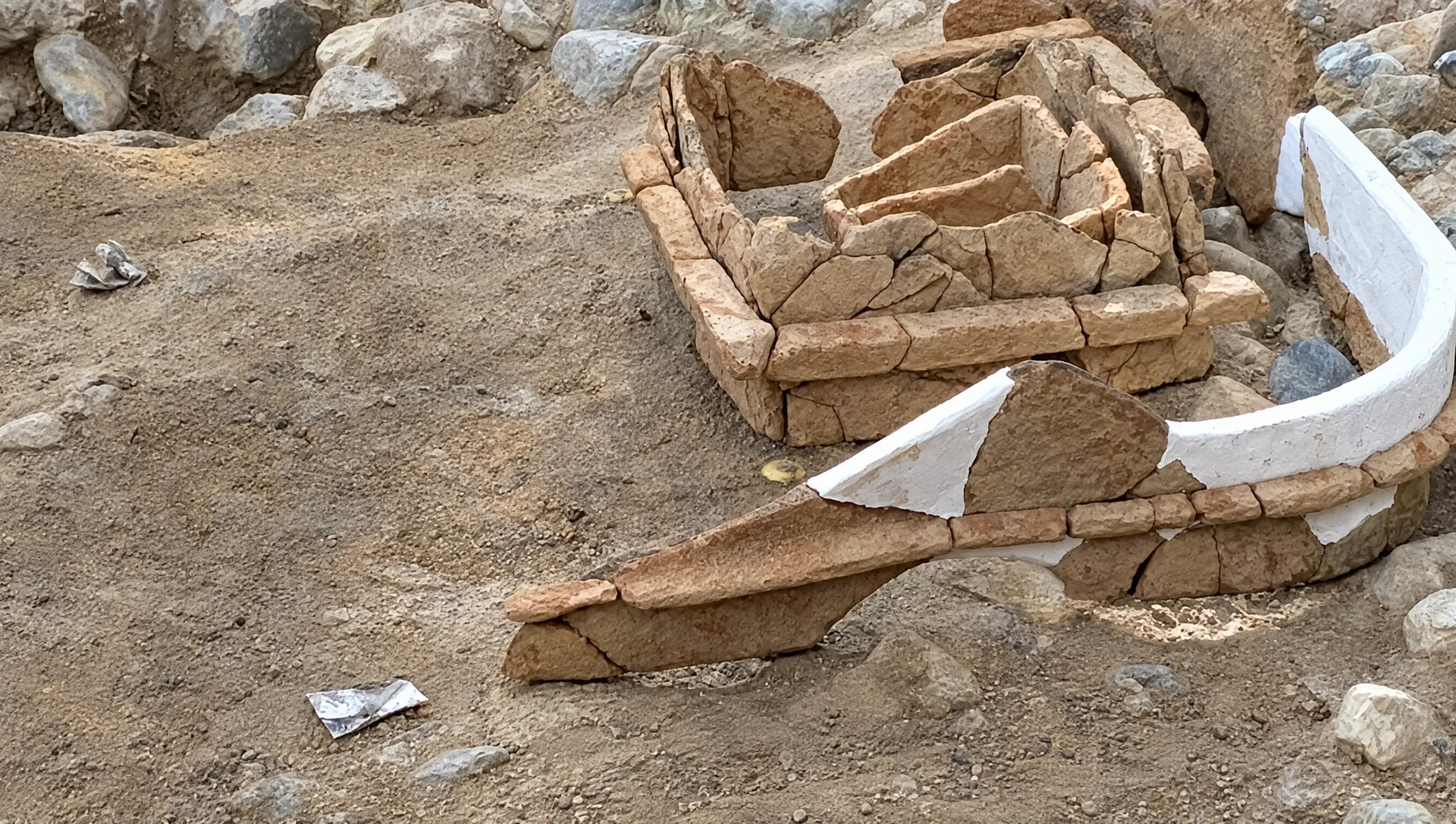 Nara CityTomio-Maruyama Kofun: Japan's Largest Circular Burial MoundA fourth-century burial mound on Nara's western edge, about 110 metres across and associated with discoveries including a sinuous iron sword, shield-shaped mirror and wooden coffin.Read the guide
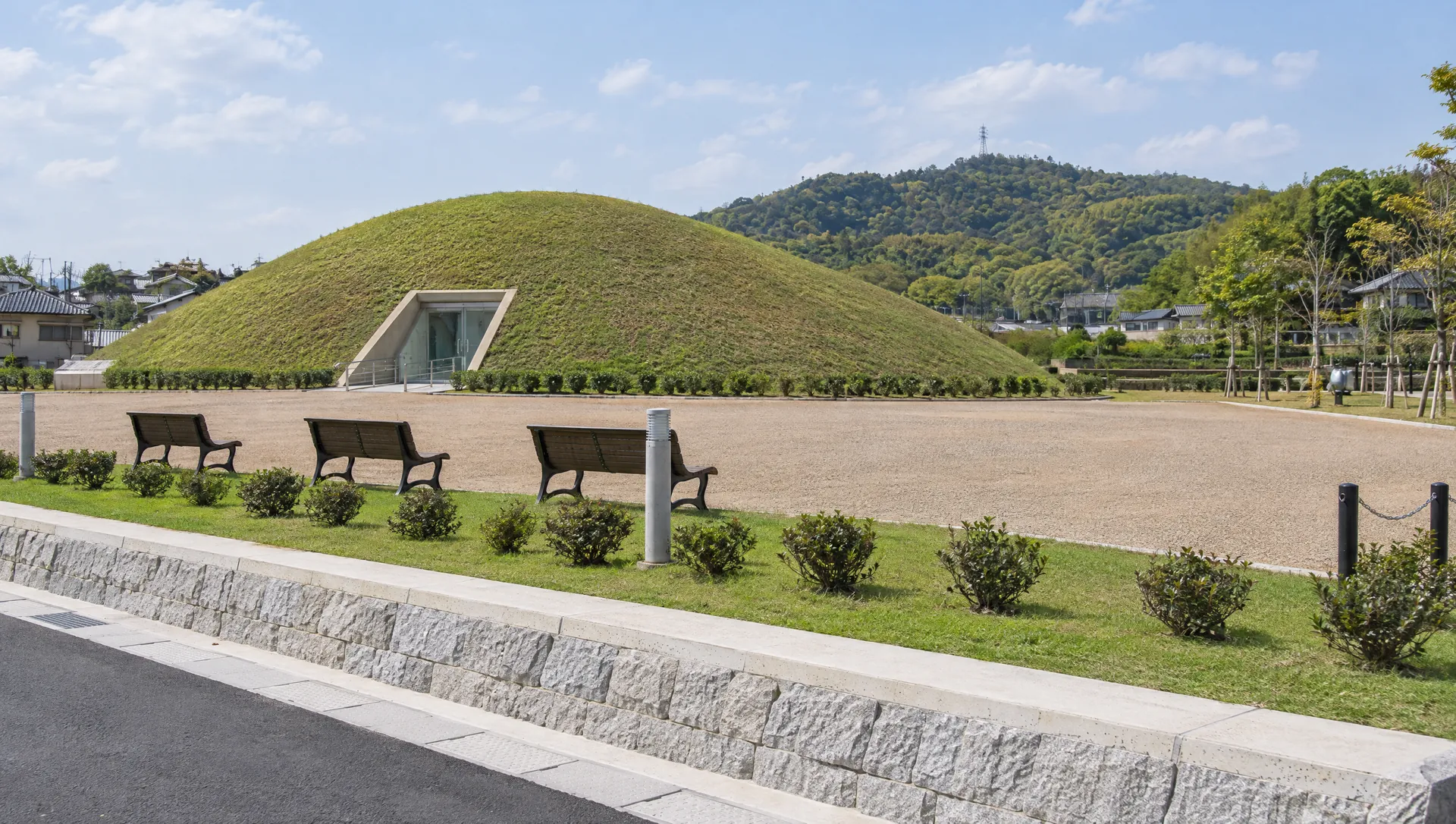 IkarugaFujinoki Kofun: A Sixth-Century Burial beside Hōryū-jiSee the preserved mound west of Hōryū-ji, then discover what its unlooted chamber revealed without assuming you can enter it.Read the guide Site photograph pending IkarugaButsuzuka Kofun: A Tomb Reused for Buddhist WorshipFind a small hillside tomb whose chamber became a medieval Buddhist space, with present-day interior access treated cautiously.Read the guide Site photograph pending IkarugaKomazuka Kofun: An Older Mound with a Later Horse LegendView Ikaruga's early keyhole mound from outside its protected area, then separate fourth-century archaeology from the Black Horse story.Read the guide Site photograph pending IkarugaChōshimaru Kofun: A Horse-Keeper Legend in the Rice FieldsSee a partly reduced round mound and the clay-horse clue behind a tradition about Prince Shōtoku's attendant.Read the guide Site photograph pending IkarugaMitsui Tile Kiln: Where Ikaruga Made Temple RoofsAn ancient uphill kiln links the small ridge behind Hōki-ji to the tiles that roofed Ikaruga's early Buddhist temples.Read the guide Site photograph pending AsukaMarukoyama Kofun: Asuka's Unusual Six-Sided TombA restored late seventh-century tomb mound whose six-sided plan stands apart from the round and square forms visitors often expect in Asuka.Read the guide Site photograph pending Nara CitySanryobo Kofun Historic Park: Three Tombs on the Yamato PlateauA quiet municipal historic park preserves three very different burial mounds, including a large keyhole-shaped tomb and two round mounds.Read the guide Site photograph pending Nara CitySugawara Haniwa Kiln Park: Where Tomb Figures Were FiredSee an excavated kiln and ash deposit where haniwa were fired around 1,500 years ago, in the district associated with the Haji potters.Read the guide Site photograph pending Umami HillsUmami Kofun Park: A Landscape of Tombs, Flowers and Walking PathsExplore a 56-hectare park inside the 250-plus-tomb Umami cluster, with a restored mound, a free archaeology gallery, seasonal gardens and family spaces.Read the guide Site photograph pending Umami HillsNagareyama Kofun: Compare an Ancient Mound with Its Reconstructed FormClimb a nationally designated fifth-century tomb where one side shows reconstructed stone facing and haniwa rows while the other remains green.Read the guide Site photograph pending Umami HillsOtomeyama Kofun: A Giant Shell-Shaped Tomb You View from the ParkUnderstand one of Japan's largest scallop-fronted tombs from public park routes; direct access to the mound is difficult, so plan to view it from outside.Read the guide Site photograph pending Umami HillsIkegami Kofun: A Northern Tomb in the Umami ClusterA 92-metre scallop-shaped tomb from the early fifth century, best understood as one stop among the Umami cluster rather than a standalone monument.Read the guide Site photograph pending Umami HillsKatabi Kofun Group: Four Burials Between Two Park MoundsRead four small fifth- to seventh-century burials as a changing cemetery landscape between two better-known mounds in the park.Read the guide Site photograph pending Umami HillsSuyama Kofun: A Special Historic Site and Its Burial BoatSee the landscape of a 220-metre royal-scale tomb from the park's south area, and learn why a wooden boat found in its moat changed the story of ancient funerals.Read the guide Site photograph pending Umami HillsMakino Kofun: A Chamber Opened by AppointmentA three-tiered late-period tomb with a 17.1-metre stone chamber. Its interior can be viewed only through a town-approved appointment or a scheduled special opening.Read the guide Site photograph pending Umami HillsKoryo Town Cultural Property Preservation CenterSee haniwa excavated from nearby Suyama Kofun, a replica funerary boat and other finds from Koryo's ancient tombs.Read the guide Site photograph pending Umami HillsBesshoshita Kofun: An Early Tomb Hidden in the Park WoodlandFind one of the oldest tombs in the park cluster and learn to read its haniwa evidence even though woodland now hides its shape.Read the guide Site photograph pending Umami HillsKurazuka Kofun: The 90-Metre Mound Reidentified as a 180-Metre TombA lesson in how excavation can change a site's scale: Kurazuka was once called a 90-metre round mound, then identified as a 180-metre keyhole tomb.Read the guide Site photograph pending TenriMount Ryuo Kofun ClusterA dispersed mountain burial landscape of hundreds of late Kofun-period tombs along the historic hiking route above Yanagimoto.Read the guide
Access to a mound and access to its burial chamber are different. Check the official source and on-site signs before entering any area.