
Nyoirin-ji: A Temple of Yoshino's Southern Court
Follow the Southern Court story from a working temple to Emperor Go-Daigo's mausoleum on Yoshino's hillside.
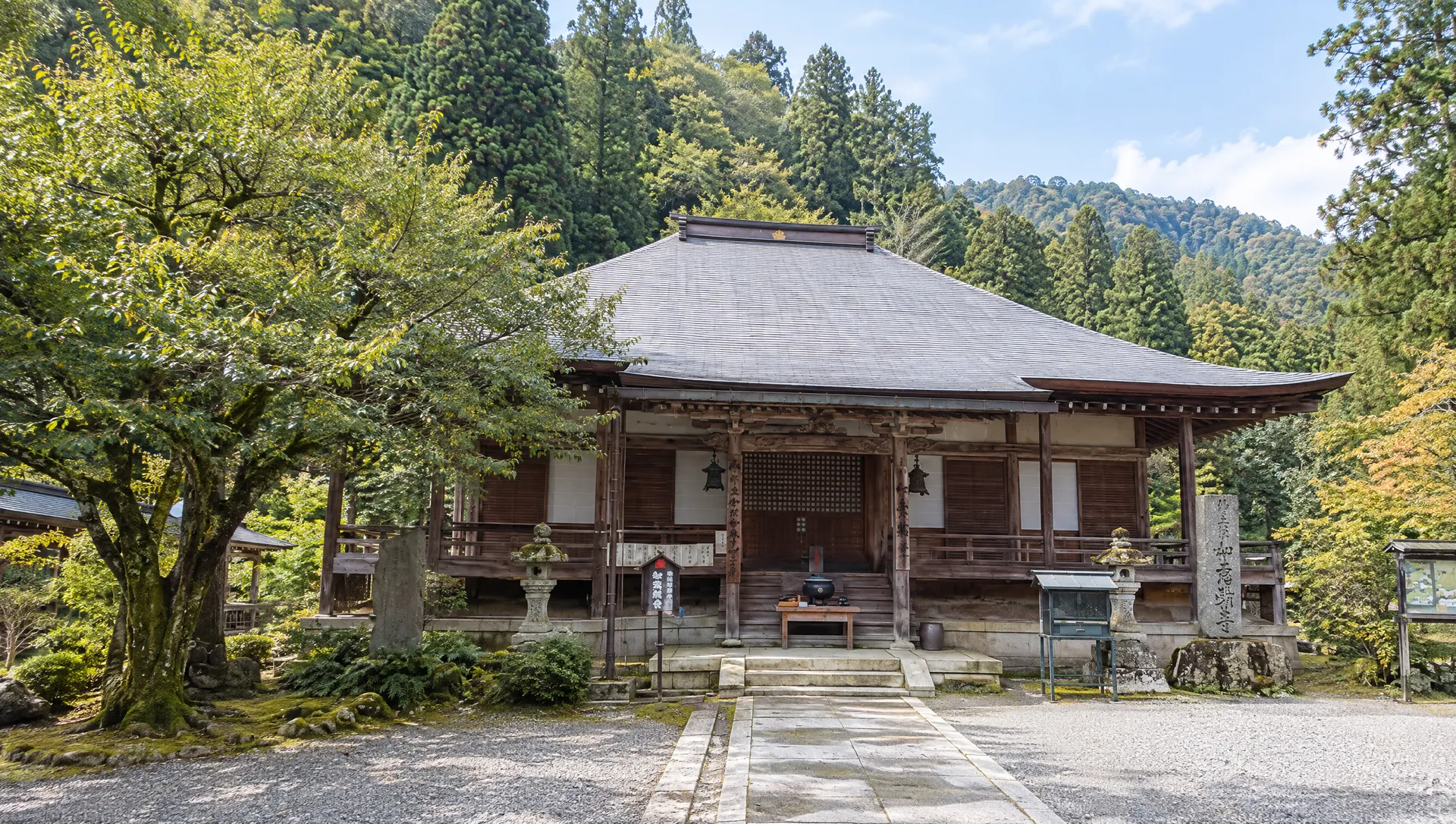 AI-generated visual study · not a documentary photograph
Discover Nyoirin-ji: A Temple of Yoshino's Southern Court
Nyoirin-ji stands apart from Yoshino Mountain's main commercial street, on a slope bound to the fourteenth-century Southern Court. The temple traces its origin to the early tenth century, then describes its role as a prayer temple for Emperor Go-Daigo after he established his court in Yoshino. The emperor's Tō-no-o mausoleum lies behind the temple; the Imperial Household Agency independently identifies its location within Nyoirin-ji. A visit is therefore a sequence of distinct spaces: the working temple, its treasure displays and the path toward a protected imperial tomb, each with different etiquette and possible access limits.
Read the temple through two historical eras
The temple states that the monk Nichizō Dōken founded an earlier Shingon institution here during the Engi era, 901–923. Its association with Emperor Go-Daigo belongs to the later conflict between courts in Yoshino and Kyoto. The operator says the temple changed to the Jōdo school under Tetsugyū in the seventeenth century, when it also continued to guard the imperial grave. These are layers of one religious site, not evidence that the current main hall or every object dates from the tenth century. The operator says the present hall was enlarged in the Edo period.
Look for Kusunoki Masatsura's farewell story
The temple relates that Kusunoki Masatsura and companions worshipped here before the Battle of Shijōnawate, leaving a farewell verse scratched with an arrowhead into a hall door. Its treasure hall says it displays that door among Southern Court objects, portraits and Buddhist images. Treat the verse and the account of 143 followers as the temple's preserved narrative; do not tell visitors they will touch the original door or see every object on every date. The Yoshinoyama Tourism Association separately identifies the door and a Zaō Gongen statue among the holdings. Confirm the day's treasure-hall access if a particular artifact is the reason for the trip.
Distinguish the tomb from the temple collection
The Imperial Household Agency lists Emperor Go-Daigo's Tō-no-o mausoleum within Nyoirin-ji and estimates about one hour ten minutes on foot from Kintetsu Yoshino Station to the imperial visit point. The temple explains its north-facing orientation through Go-Daigo's wish to look toward Kyoto. That interpretation comes from the temple's historical tradition; the tomb's location has separate official confirmation. The agency lists visiting in principle from 08:30 to 17:00, generally year-round, but its general rules allow closures on some weekends, holidays, New Year dates or during events. The tomb is a protected memorial, not an attraction whose mound can be entered. Follow the signed path and check mausoleum-specific rules rather than applying the temple's admission and photography arrangements to the tomb.
Choose your season and route
The temple's current visitor page lists ordinary visiting from 09:00 to 16:00 and a cherry-blossom-period window of 08:30 to 17:00. From Kintetsu Yoshino Station it estimates around 35 minutes on foot via the Sasayaki path or about seven minutes by taxi. A cable option does not deliver visitors to the temple door; check onward paths and the operating day. Its visitor page lists car parking but says coaches during blossom season must contact the temple. The tourist association's older entry gives a different blossom opening time and a much smaller parking count. Treat the temple's current page as the working reference and verify festival-day controls.
Do not expect the hidden principal image on an ordinary day
The temple calls its principal Nyoirin Kannon a hidden image and issues separate opening notices. Ordinary admission gives access according to current temple arrangements; it is not a promise of a special unveiling. The operator lists adult admission at ¥600 and junior/senior high and primary-school admission at ¥200 after a March 2025 revision. A tourism-association page still says ¥500 for adults; the dated operator notice confirms that this is old. Group rates, special exhibitions and service interruptions may differ, so ask before bringing a group or travelling for one particular image.
What to look for
Southern Court history and Kusunoki Masatsura's farewell door
Treasure hall and Buddhist images under temple access rules
Emperor Go-Daigo's protected mausoleum behind the temple
Photo notes
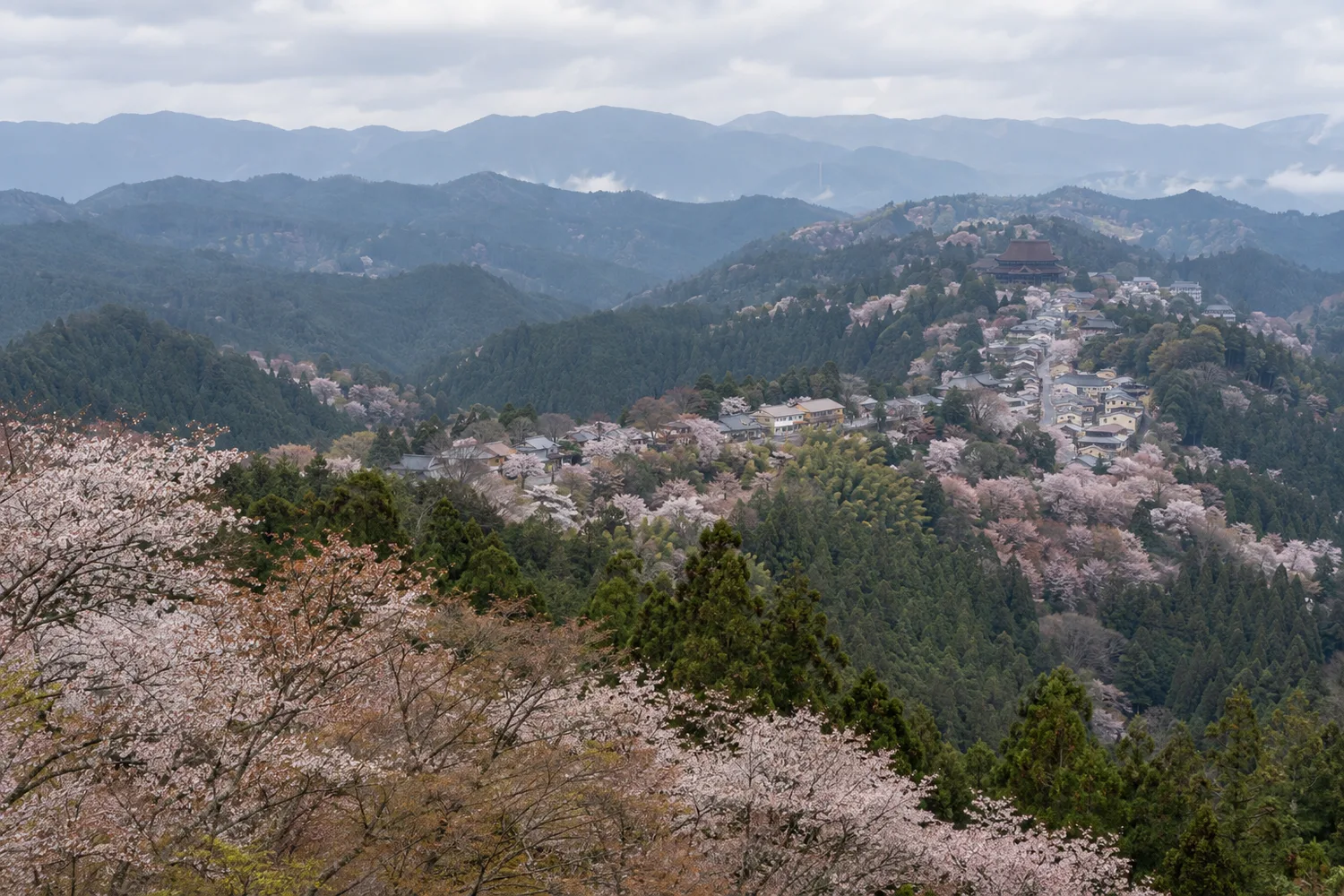
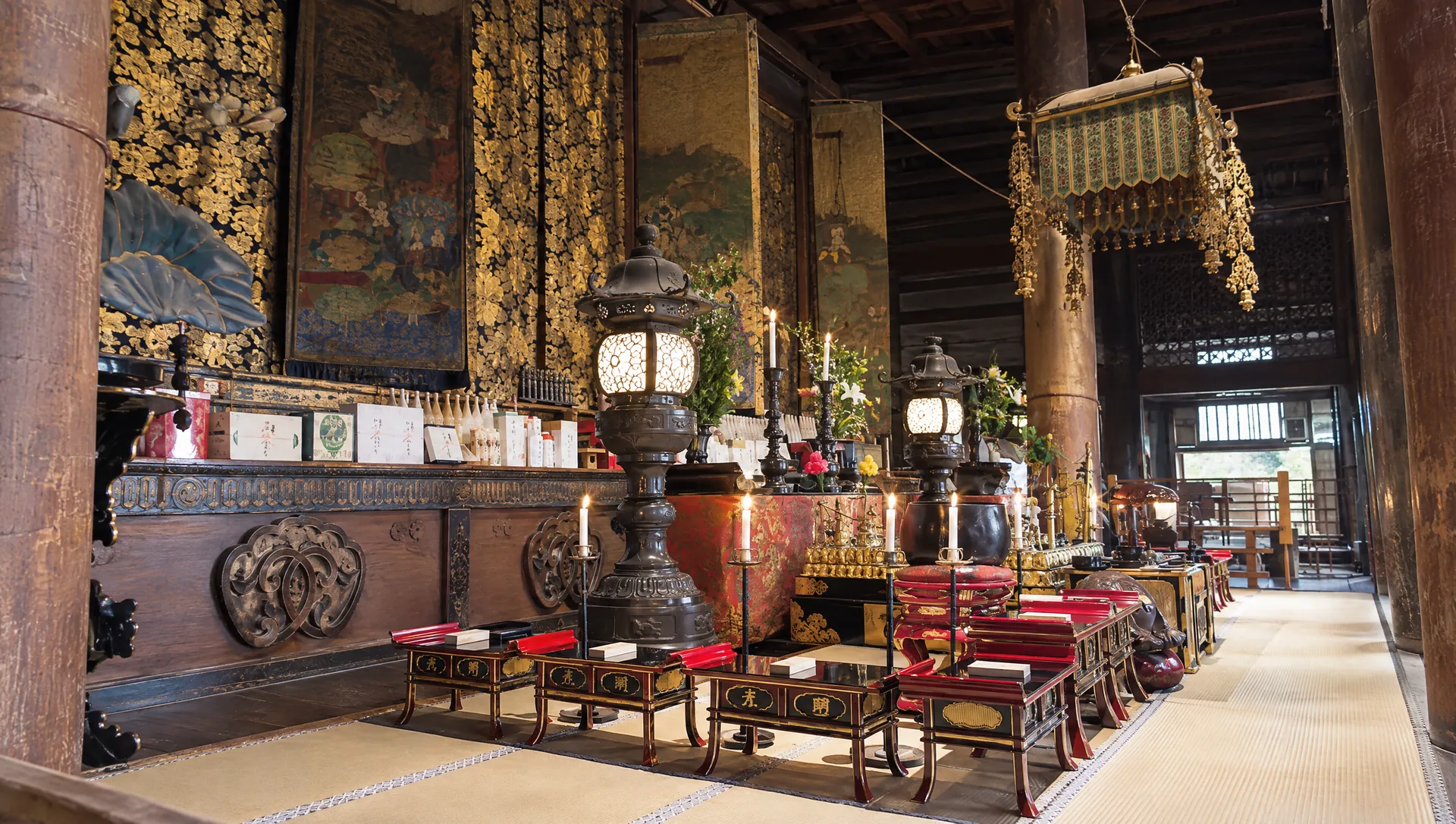
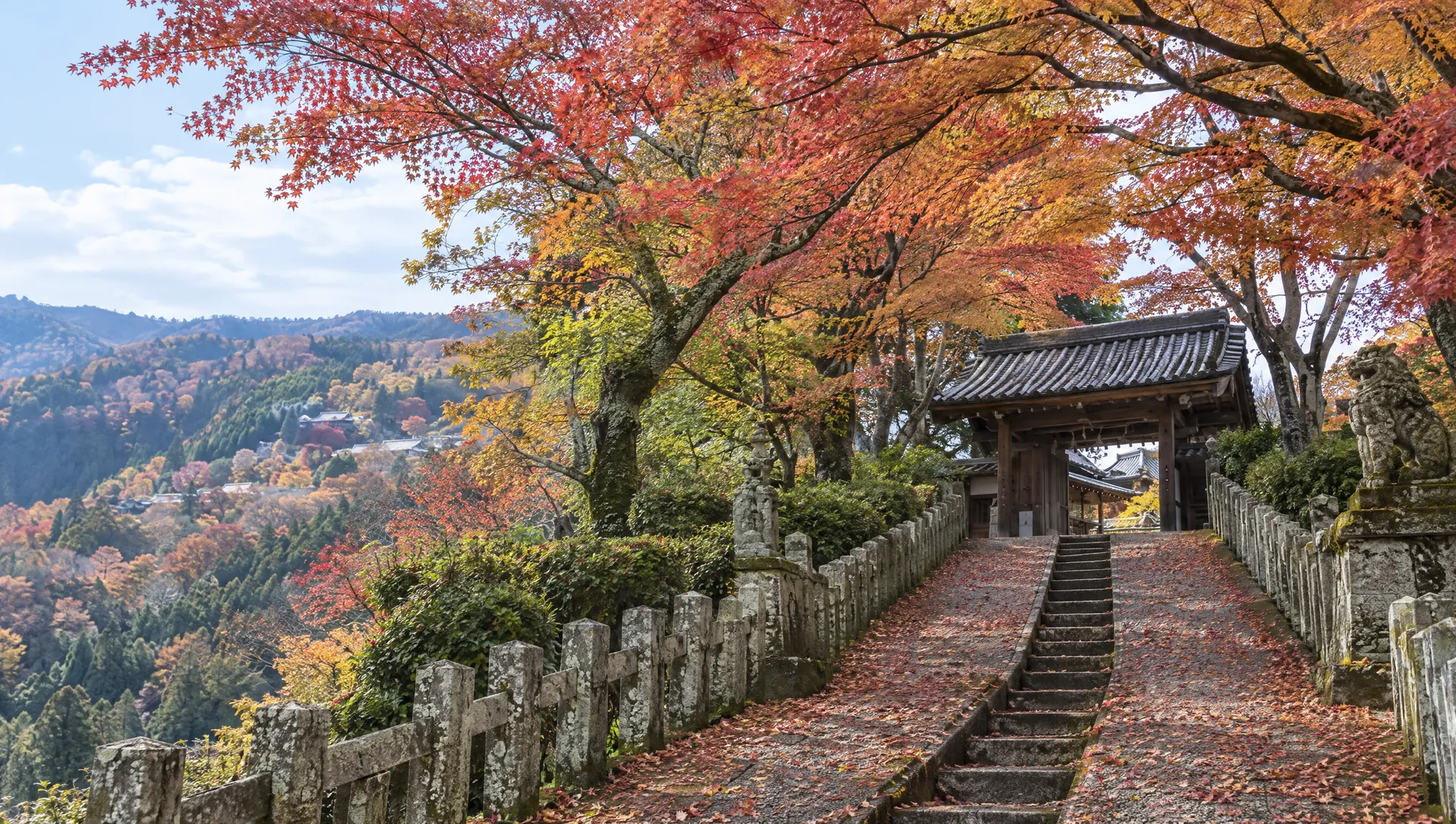
No temple collection, interior, statue or tomb photographs are licensed to MyNara. Separate rules may apply in worship halls, the treasure hall and at the imperial mausoleum. Follow signs and ask staff before photographing; obtain express rights for any editorial or commercial use of existing images.
Make a day of it
Explore guides close to this map point, then check the actual route before travelling. Distances below are straight lines, not walking distances or travel times; map points may not be entrances.
Sources & editorial status
Original MyNara draft based on the linked sources. Sources reviewed 20 October 2026. Opening arrangements, prices and offers may change; use the operator's current information before travelling.
- Nyoirin-ji operator — origin, Southern Court history and precinct buildings
- Nyoirin-ji operator — current hours, fares, access and contact
- Nyoirin-ji operator — March 2025 adult-fee revision
- Imperial Household Agency — Emperor Go-Daigo Tō-no-o mausoleum location and visiting hours
- Imperial Household Agency — mausoleum visiting restrictions and prohibited acts
- Yoshinoyama Tourism Association — older fee, holdings and hillside walk
- Visit Nara — English listing and route cross-check