
Ikoma Cable Car
Ride two connected mountain cable sections, stopping for Hozan-ji or continuing to the summit.
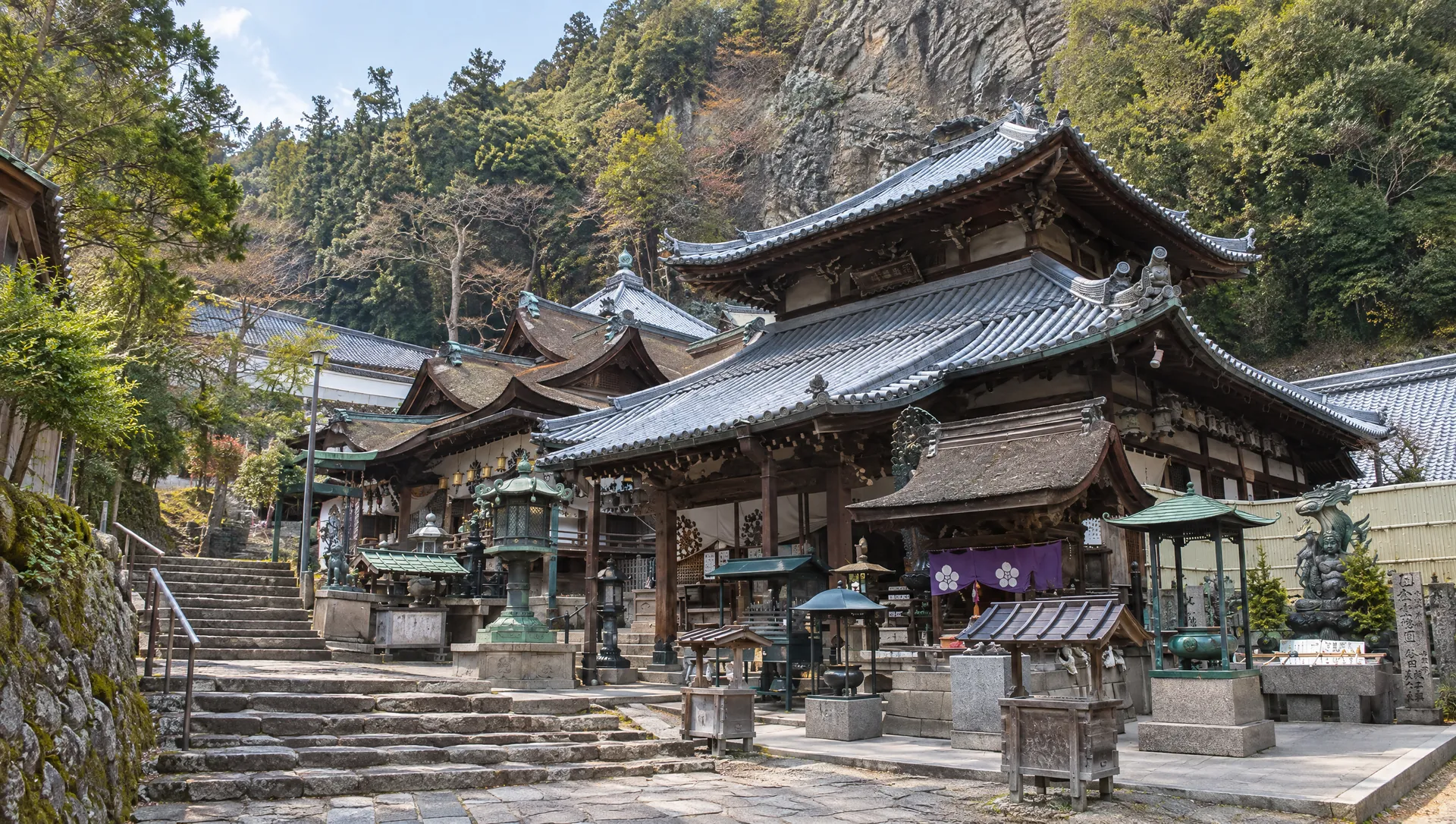
 AI-generated visual study · not a documentary photograph
Discover Ikoma Cable Car
The Ikoma Cable Car is useful transport and a small piece of railway history at the same time. The first section opened in 1918 to serve Hozan-ji pilgrims and was Japan's first cable railway. Today Kintetsu runs the Hozanji Line from Torii-mae to Hozanji and the Sanjo Line onward to Ikoma-Sanjo. If the temple is your destination, the first section is enough; the summit requires a change at Hozanji and a separate fare decision.
Know which of the two lines you need
Torii-mae, adjacent to Kintetsu Ikoma Station, begins the 0.9 km Hozanji section. The second section runs from Hozanji toward Umeyashiki, Kasumigaoka and Ikoma-Sanjo. Kintetsu's history explains that the lower section began in 1918 and later gained its unusual double track; the upper section followed the summit leisure development. A Hozan-ji temple stop is not the same ticket or destination as the summit amusement park.
Expect a real transfer at Hozanji
Kintetsu sells cable tickets separately from ordinary rail trips: visitors changing from the Nara, Ikoma or Keihanna line at Ikoma must walk to Torii-mae and buy the cable portion there. Continuing to the summit involves changing cable cars at Hozanji. Check the current fare table and both directions before buying; a discount ticket advertised from the summit is not automatically valid for a Torii-mae start.
Enjoy the distinctive cars without promising one
The lower line is known for animal-themed cars such as Bull and Mike, while the upper line includes music and cake-themed vehicles. Kintetsu notes that different cars may run on a particular day. Photograph the vehicle you actually board, keep doors and platforms clear and avoid treating a promotional picture as a guaranteed assignment.
Use it to reach two different kinds of outing
Hozanji Station is the jumping-off point for the temple's uphill approach. Ikoma-Sanjo gives access to the summit leisure area and nearby paths. The amusement park and cable railway have different operators and calendars, so a running cable does not prove every attraction at the summit is open. Check the return connection rather than assuming late service on both sections.
Make an accessible plan with the operator
The line climbs a steep mountain and the temple approach includes steps. Kintetsu's public page explains how small pets must travel in a suitable container with a hand-luggage ticket, but it does not on that page establish a complete wheelchair route for every station. Travellers needing step-free assistance should contact Kintetsu about boarding and onward paths before travel.
What to look for
1918 first cable section built for pilgrims
Distinct lower and upper lines with a Hozanji transfer
Temple and mountain-summit itineraries
Photo notes
Personal platform and vehicle photography must follow Kintetsu staff instructions and avoid obstructing passengers. The operator's published images are not licensed to MyNara. Seek permission for commercial or editorial filming; do not photograph other passengers closely without consent.
Make a day of it
Explore guides close to this map point, then check the actual route before travelling. Distances below are straight lines, not walking distances or travel times; map points may not be entrances.
Sources & editorial status
Original MyNara draft based on the linked sources. Sources reviewed 19 October 2026. Opening arrangements, prices and offers may change; use the operator's current information before travelling.