Tōdai-ji Museum: Treasures Preserved beyond the Great Buddha
See sculpture and objects from Tōdai-ji's many centuries in a separately ticketed museum whose displays and special exhibitions change.
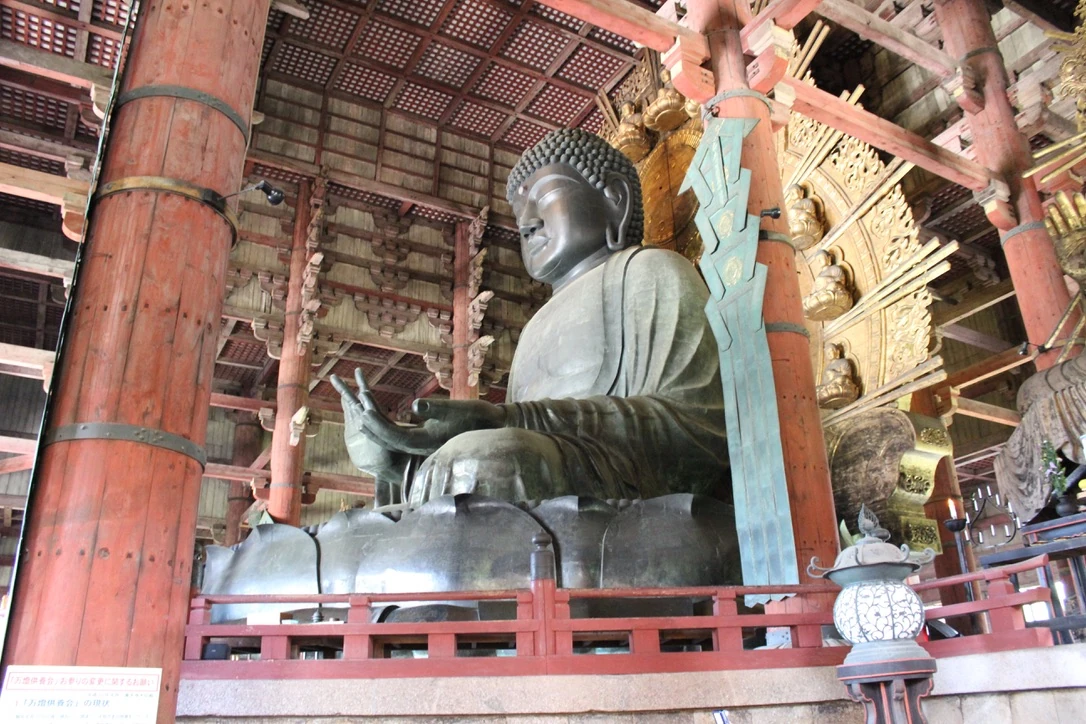
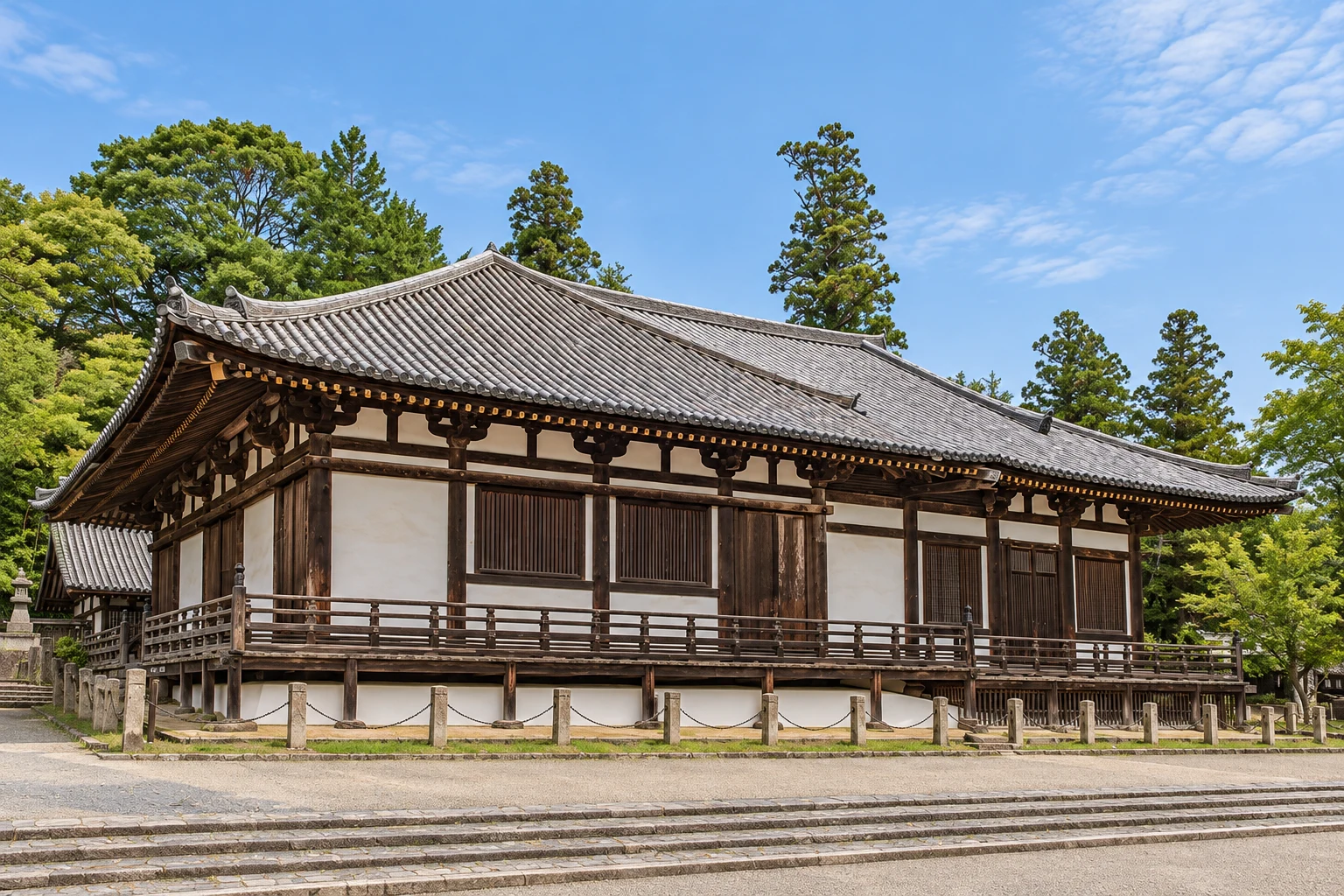
 Verified site photographs are being prepared.
Discover Tōdai-ji Museum: Treasures Preserved beyond the Great Buddha
Tōdai-ji's Great Buddha Hall makes the scale of the temple immediate; its museum lets you examine what was preserved across fires, rebuilding and conservation. Opened in 2011, the five-gallery building protects fragile sculpture and other treasures with seismic isolation. Images once associated with Hokke-dō are now among the museum's collections, while changing exhibitions add documents, ritual objects and further sculpture. Buy the right ticket and read the current object list: this is neither a free extension of the hall nor a promise that every treasure will be on view.
Why the temple built a museum
Tōdai-ji says it opened the museum in October 2011 to store and show statues, paintings, craft, sutras and historical records that survived repeated disasters. Its five galleries and storage rooms use seismic isolation to protect particularly vulnerable objects, including clay sculpture. The second gallery evokes the inner sanctuary of Hokke-dō; it is an interpretive setting within a modern museum, not the eighth-century hall itself. Start here if you want to understand the temple's art before walking to the separate buildings where some of it was first worshipped.
Connect the sculpture to its former halls
The operator identifies a Thousand-armed Kannon as a principal museum image, along with the Nikkō and Gakkō figures formerly connected with Hokke-dō and an eighth-century image of the infant Buddha. The temple moved some sculptures into protective museum conditions; a museum ticket does not grant access to Hokke-dō itself. The Agency for Cultural Affairs records the paired Nikkō/Gakkō clay statues as National Treasures. Read current gallery labels for whether a particular work is on view and how its old setting differs from its present display.
Use the dated exhibition list
The museum combines a standing history-and-art presentation with rotating features. On its 19 October 2026 calendar, the fifteenth-anniversary final relay exhibition about Tōdai-ji and Pure Land belief runs 11 October–23 December 2026. The published object list splits some documents into a first term ending 16 November and a second beginning 17 November. This is a dated example, not a permanent promise: exhibitions, loans and conservation can alter what is displayed. For a later trip, reopen the museum's current Japanese notice and object-list PDF before naming a must-see piece.
Compare the individual and paired tickets
Tōdai-ji's current museum page lists individual admission of ¥800 for ages thirteen and older, ¥400 for ages six to twelve, and free entry below six. Its adult Great Buddha Hall plus museum joint ticket is ¥1,200, or ¥600 for ages six to twelve, and is available at those two entrances when the museum opens. Hokke-dō and Kaidan-dō are separate paid halls and are not in that pair. The city's English tourism listing still shows ¥600/¥300 and confusing older seasonal hours; use the museum operator's live calendar and ticket desk rather than treating that directory price as current.
Time the entrance, access and photography
The operator gives 9:30–17:30 from April through October, last entry 17:00, and 9:30–17:00 from November through March, last entry 16:30. It says there are no regular closed days but exhibition changes or facility inspections can cause temporary closure. The museum is in the Culture Center by the Great South Gate approach; the temple's general access page routes buses to Tōdai-ji Daibutsuden/Kasuga Taisha-mae and gives about twenty minutes on foot from Kintetsu Nara to the wider precinct. A guide-agency accessibility survey lists an elevator past interior steps, but ask the museum to confirm current access needs and loan equipment. For broader temple interpretation, Tōdai-ji separately offers a ¥500 audio guide in nine languages near the Great Buddha Hall entrance; groups of ten or more need to reserve. This is not included with museum admission. Tōdai-ji bans photography, sketching and flashlight use inside the museum.
What to look for
Five-gallery museum opened in 2011 with seismic protection for fragile treasures
Nikkō/Gakkō and other images linked to older Tōdai-ji halls
Date-specific exhibitions and a Great Buddha Hall–museum joint ticket
Photo notes
Tōdai-ji prohibits photography, sketching and flashlight use inside the museum. Its artwork, building and exhibition images cannot be copied to MyNara without permission. Confirm separate permission for any commercial filming, and follow precinct drone restrictions outdoors.
Make a day of it
Explore guides close to this map point, then check the actual route before travelling. Distances below are straight lines, not walking distances or travel times; map points may not be entrances.
Sources & editorial status
Original MyNara draft based on the linked sources. Sources reviewed 20 October 2026. Opening arrangements, prices and offers may change; use the operator's current information before travelling.
- Tōdai-ji — museum history, five galleries, prices, hours and photography rule
- Tōdai-ji Japanese museum page — current exhibition, child ticket and museum telephone
- Tōdai-ji — Great Buddha Hall joint ticket and separate paid halls
- Tōdai-ji — dated 2026 Pure Land exhibition announcement
- Tōdai-ji — dated 2026 object list and first/second display terms
- Agency for Cultural Affairs — National Treasure Nikkō/Gakkō pair
- Nara Prefecture — museum identity and 100 Suimon-chō address
- Nara City tourism listing — identity and outdated ¥600/¥300
- Japan Guide Agency — accessibility survey; older prices require caution