
Gojo Shinmachi Historic Street
Read four centuries of merchant-town architecture on a lived-in street by the Yoshino River.
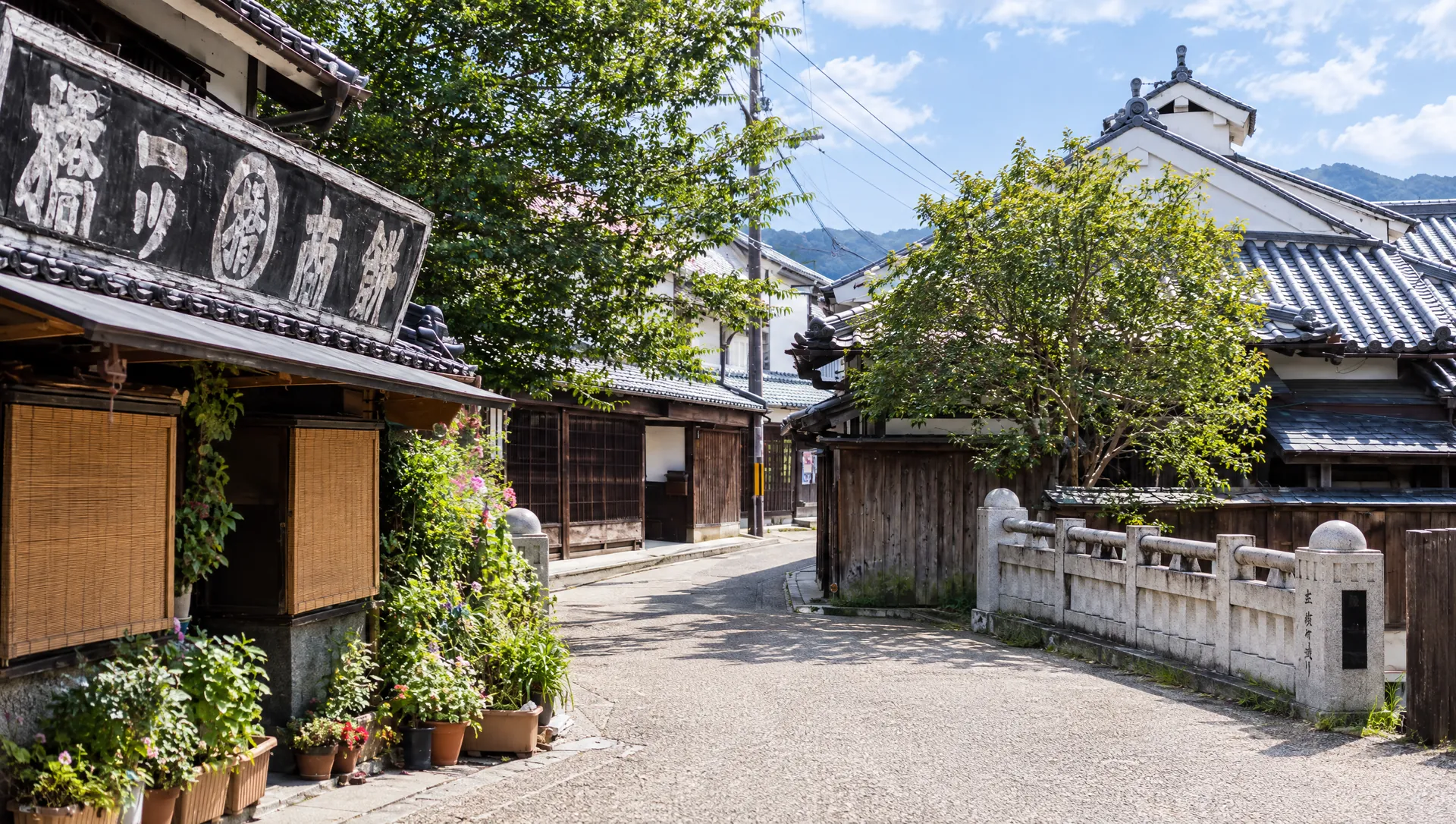 AI-generated visual study · not a documentary photograph
Discover Gojo Shinmachi Historic Street
Gojo Shinmachi is a walk through a working neighbourhood, not a preserved set with every door open. The nationally protected district includes parts of Gojo, Honmachi, Shinmachi and Futami. The Shinmachi section took shape after Matsukura Shigemasa built Futami Castle in 1608, joining older Gojo to Futami along a road used by merchants and travellers. Look at how plots, rooflines and plaster walls changed over time; then let a small public house museum explain details that an exterior walk cannot show.
Compare two parts of one conservation district
Gojo's municipal history distinguishes the older, curving Gojo townscape with irregular plots from the straighter, more even Shinmachi stretch. The combined protected district is about seven hectares and was selected as a national Important Preservation District on 24 December 2010. Treat the designation as an area, not a claim that every house on one street dates from one year or is open to visitors.
Read building age from the upper floor
The city explains that earlier machiya often have a low upper storey used for storage, while later buildings grew taller as upstairs rooms became living space. Lattice types and small plaster-framed mushiko windows also vary. These are clues, not a reliable way to date an individual house from the pavement; look for the pattern across several facades.
Notice the response to fire and flood
White and black plaster finishes, protected eaves and small upper windows were among the town's fire-conscious building choices. Near the Yoshino River, stone revetments record another challenge: repeated floods. The streetscape survived because people kept rebuilding and adapting, rather than because time stopped in the Edo period.
Choose public stops before entering a house
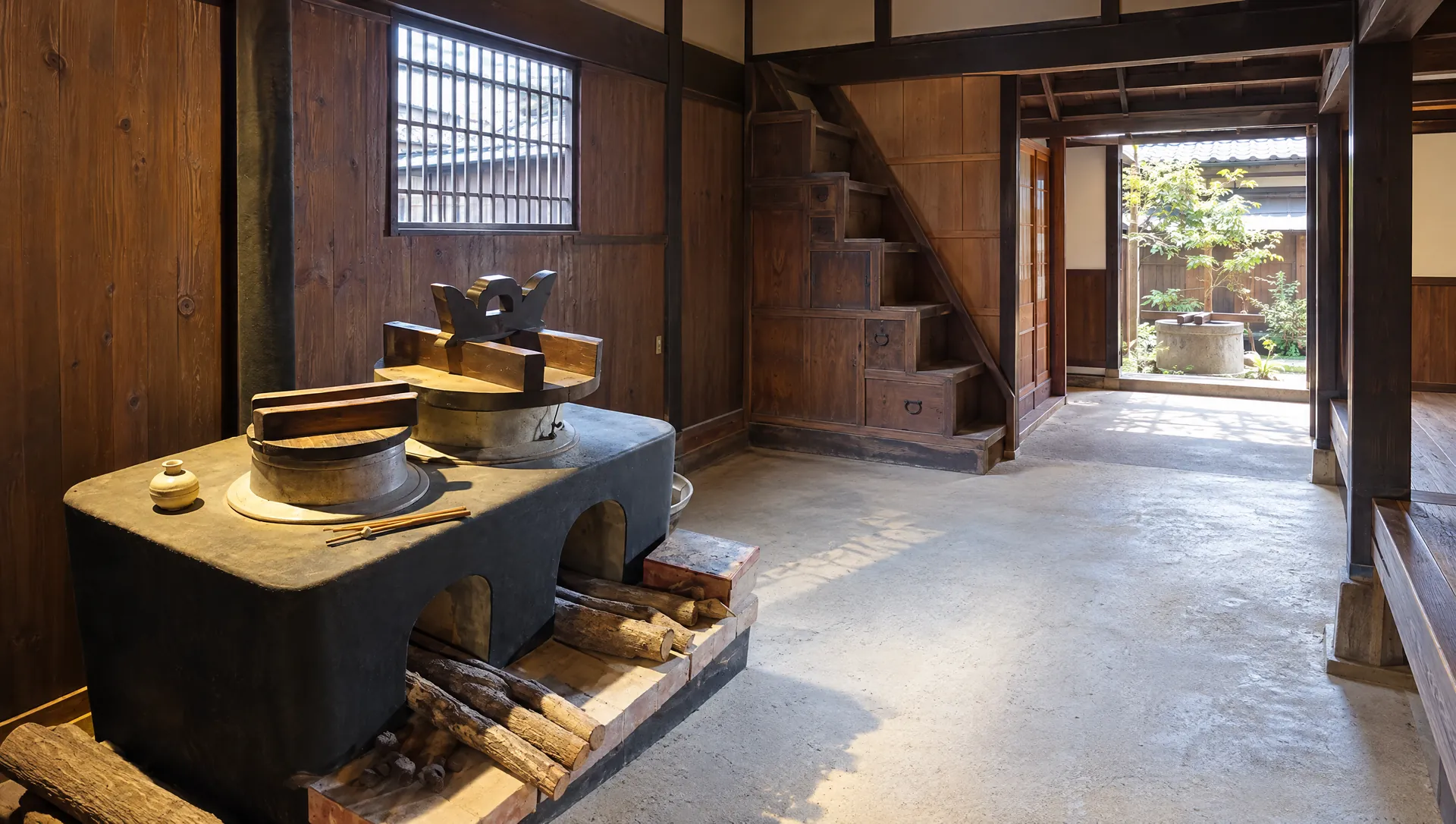
Machiya-kan at 2-6-6 Honmachi is a public, free-entry restored dwelling with a hearth, well and box stair, subject to its own opening days. The larger old Machinami Denshokan appears in a 2026 city reuse proposal as a former facility; do not rely on older directory hours for that building until the city confirms its visitor status. Private homes and shops require their own invitation or business hours.
Walk from the right rail line
The prefecture's current walking guide places the old street about ten minutes from either JR Gojo or JR Yamato-Futami on the Wakayama Line. A Visit Nara entry incorrectly calls Gojo a Kintetsu station; plan with JR instead. The conservation street is narrow and one-way for cars. Walk on the public way, allow residents through and choose a legal parking place away from the lane.
What to look for
Curved Gojo and straighter Shinmachi streetscapes
Plaster, lattice and upper-storey details
Yoshino River flood adaptations
Photo notes
The city asks visitors to view the lived-in district from streets and public land. Keep doorways and residents clear; do not enter private yards or photograph people, domestic interiors or business premises without permission. No municipal or private-house photograph has been licensed for MyNara.
Make a day of it
Explore guides close to this map point, then check the actual route before travelling. Distances below are straight lines, not walking distances or travel times; map points may not be entrances.

Sources & editorial status
Original MyNara draft based on the linked sources. Sources reviewed 20 October 2026. Opening arrangements, prices and offers may change; use the operator's current information before travelling.