Kokuō Shrine: A Southern Court Legend near Tanize
Explore a small village shrine to Emperor Chōkei while separating local burial tradition from the officially designated mausoleum in Kyoto.
 Verified site photographs are being prepared.
Discover Kokuō Shrine: A Southern Court Legend near Tanize
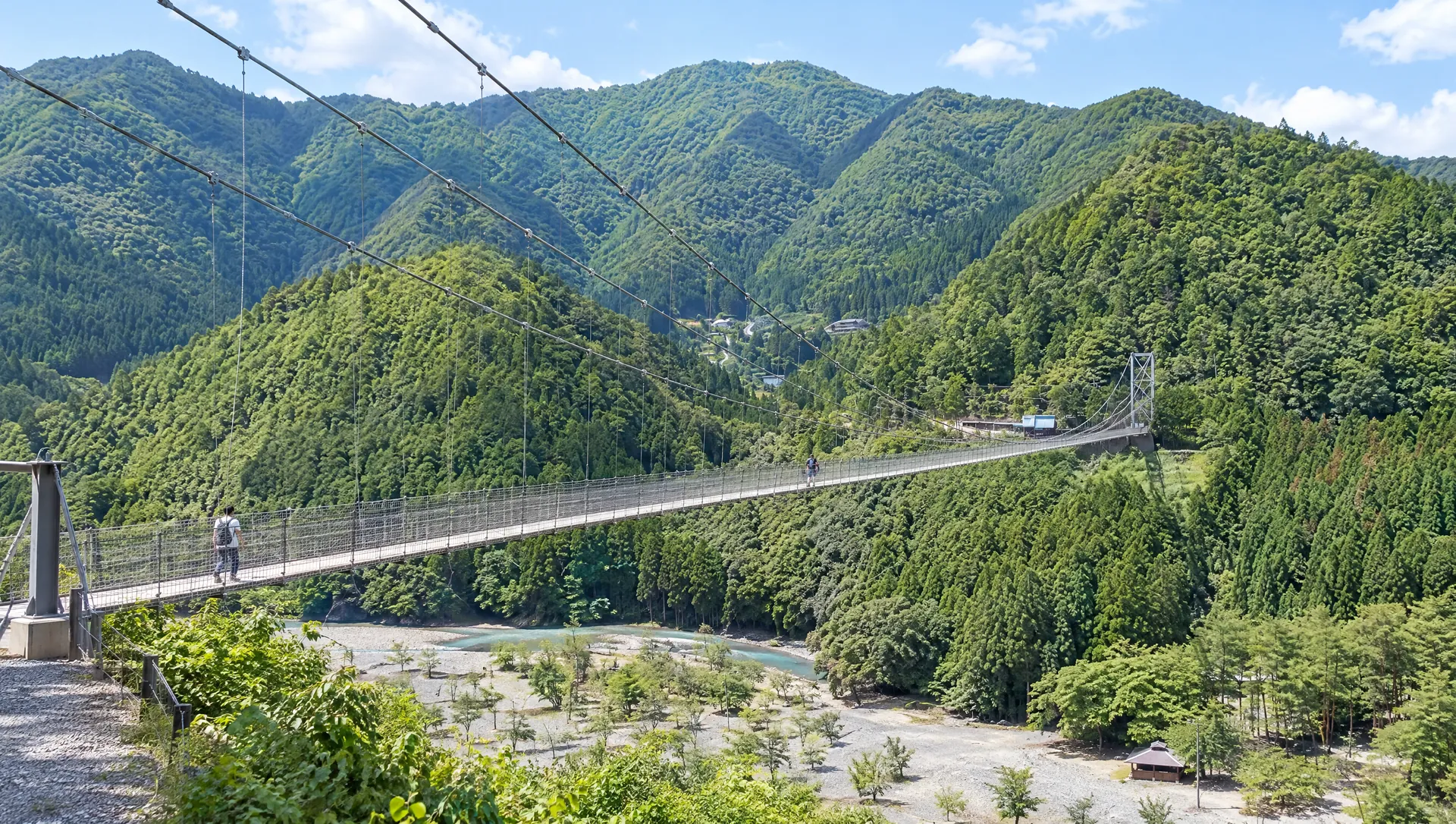
Kokuō Shrine stands in Uenoji near the Tanize suspension bridge, but its story is not simply an extra stop on a bridge selfie route. The village venerates Emperor Chōkei here through a Southern Court tradition that says his head was found by the river and honoured at a local burial place. Japan's Imperial Household Agency identifies his officially designated mausoleum as Saga Higashi no Misasagi in Kyoto. Both facts matter: the former explains this village's belief and annual procession, while the latter prevents the legend from being presented as settled imperial burial history.
Place a local tradition in national history
Totsukawa's tourism account says villagers recovered Emperor Chōkei's head after his death upriver and enshrined it as a 'Southern Emperor' burial tradition. This is a village account, not an independently confirmed death or interment record. The Imperial Household Agency's current mausoleum guide places the officially designated Chōkei mausoleum in Kyoto's Saga district. A visitor can value the strength of Totsukawa's memorial tradition without claiming that the Kyoto designation is false or that the local story proves an event of the fourteenth century.
Look for the festival's living custodians
The village heritage archive describes a procession organised by seven settlements, with ritual roles for children, offerings and participants in historical dress. It gives the usual festival day as the last Sunday of October or the first Sunday of November. That is a recurring pattern in its account, not a confirmed date for this year's event; ask the village before planning a festival trip. The archive also says a shrine plaque is traditionally attributed to Ōkubo Toshimichi, but the attribution is presented as tradition, not verified calligraphy provenance.
Use careful language about worship and benefit
The village calls Chōkei a 'god of the head' in local devotion. That describes what some worshippers seek or remember, not a medical service or promise of healing. The precinct is a working local shrine; avoid entering closed buildings, disturbing ritual objects or photographing worshippers without consent. The prefectural tourism listing identifies no routine admission charge or weekly closing day, but that does not prove unrestricted indoor access at all hours.
Do not count on event parking for an ordinary visit
The prefectural access page gives 363-1 Uenoji and estimates about thirty minutes on foot from Uenoji bus stop. It describes free parking as available only on major festival days, whereas the village tourism site mentions a sign for shrine parking. The two sources leave normal-day parking arrangements unclear. Confirm with the village before driving into small residential lanes. The shrine is south of Tanize Bridge, but road or trail walking time should be checked rather than inferred from straight-line proximity.
What to look for
Southern Court memory clearly separated from official Kyoto mausoleum
Seven-settlement ritual procession described by the village
Small active shrine near the Tanize region
Photo notes
No shrine, procession or worshipper photograph is licensed to MyNara. Ask the community before photographing ritual participants or property; do not reuse village archive images.
Make a day of it
Explore guides close to this map point, then check the actual route before travelling. Distances below are straight lines, not walking distances or travel times; map points may not be entrances.
Sources & editorial status
Original MyNara draft based on the linked sources. Sources reviewed 19 October 2026. Opening arrangements, prices and offers may change; use the operator's current information before travelling.
- Totsukawa Village — shrine, local legend and approach
- Totsukawa Village heritage archive — procession and recurring festival timing
- Imperial Household Agency — officially designated Chōkei mausoleum in Kyoto
- Nara Prefecture tourism — address, bus walk and festival-day parking
- Visit Nara — separate shrine identity