Mori Naraduke: Sake-Lees Pickles by Tōdai-ji
Pick a distinctly Nara food gift beside Tōdai-ji's South Great Gate, and understand why it tastes of sake.
 Verified site photographs are being prepared.
Discover Mori Naraduke: Sake-Lees Pickles by Tōdai-ji
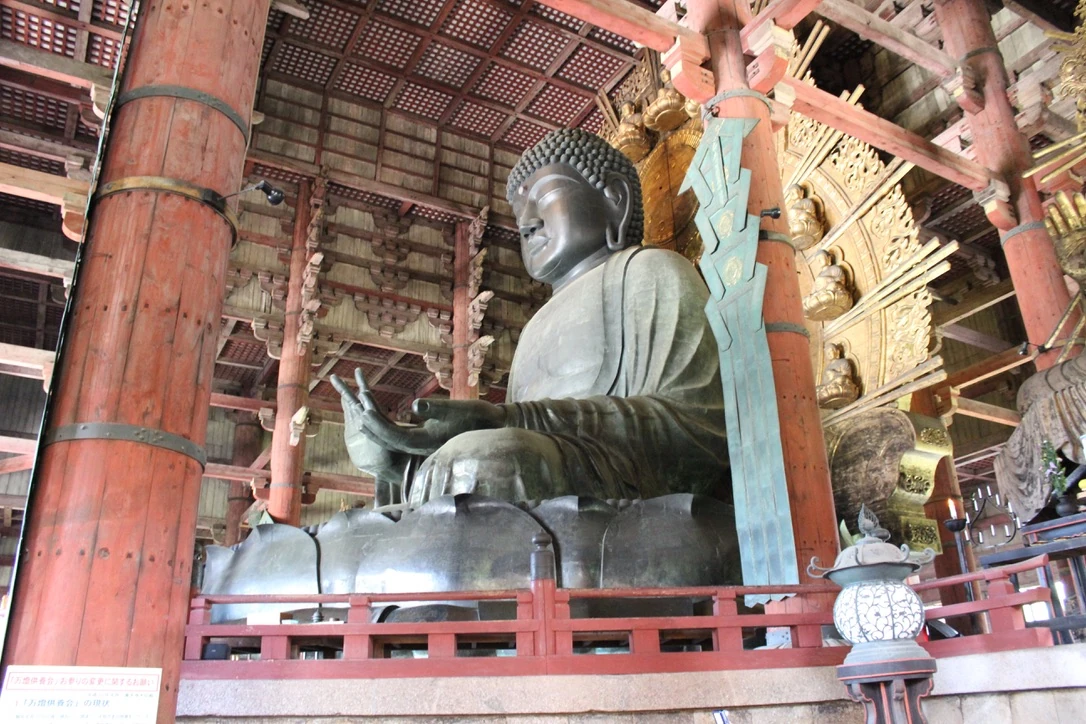
At the approach to Tōdai-ji's South Great Gate, Mori Naraduke sells vegetables matured in sake lees rather than vinegar. It is a focused food stop on a temple walk, not a restaurant or an advertised factory tour. The family company dates its beginning to 1869, when its first shop served Tōdai-ji pilgrims inside the temple precinct; it moved to the present gate-side location in 1942. That continuity makes the shop useful for understanding a local food tradition, but its detailed product range, prices and packaging are retail facts that can change from week to week.
Find the difference between gourd, cucumber and chopped pickles
The operator describes white gourd, cucumber, small watermelon, ginger, celery and other vegetables or fruit in its range. One distinctive choice is Yamato Sanjaku, a long Nara cucumber variety which the company says it helped revive for pickling. Chopped naraduke mixes cut gourd and cucumber with sake lees and can be eaten with the lees, unlike the larger pieces that the maker suggests wiping and rinsing just before serving. The home page checked on 19 October 2026 showed chopped 135 g at ¥511 including tax and a one-cucumber Yamato Sanjaku bag at ¥897, but that is an online sample, not a guarantee of in-store stock or the same bill.
The flavour comes from sake lees and time
Mori says it changes the time and amount of sake lees to suit each vegetable, and that its standard pickles use sake lees, salt and selected produce without added sugar, sweeteners or mirin lees. The resulting food is strongly aromatic and contains alcohol derived from sake: it should not be described as alcohol-free just because it is a pickle. Visitors avoiding alcohol for religious, medical, age or personal reasons should check the ingredient and alcohol information for the exact product before buying. The operator's historical account connects sake-lees pickling with Nara's long history of brewing; health claims on its website are not treated here as established medical benefits.
Serve only what you will eat
For a whole pickle, the maker recommends removing only the amount needed, wiping off the attached lees, rinsing it, draining it well and slicing it thinly. It recommends refrigeration especially in summer. Its chopped product is different: the maker says to eat that with the lees and without washing. These instructions are product-specific, so follow the package first and ask staff about shelf life, refrigeration, luggage rules and allergens. The company's suggestion to let a sliced pickle sit in a refrigerator if the taste of alcohol is strong is a flavour tip, not a way to guarantee that the product becomes alcohol-free.
A shop with a specific Tōdai-ji history
The company's own history gives a precise story rather than a vague 'ancient shop' claim: Mori Tatsu began selling pickles near the temple's Shingon-in in 1869, and the business relocated outside the precinct to its current position in 1942. A Nara Prefecture food-culture report independently discusses that founder and the later move. This family history is separate from the much older history of sake-lees pickling itself. The current premises are a retail point; neither the operator's store page nor its English visitor page offers a public production-line visit or reserved tasting experience.
Fit the stop into a walk, not a car detour
The operator gives 9:00–18:00 and says open year-round, with possible longer hours during events; exceptional dates still need checking. It estimates fifteen minutes on foot from Kintetsu Nara Station or two minutes from the Kasuga Taisha/Daibutsuden-mae city-loop bus stop. It says there is no shop car park and that ordinary cars cannot drive to its storefront. A displayed ¥300 nearby-parking contribution requires a parking ticket and a qualifying purchase of at least ¥3,000 before tax including naraduke; verify that promotion at checkout rather than treating it as automatic or a free-parking offer.
What to look for
Focused sake-lees pickle selection beside Tōdai-ji's South Great Gate
Yamato Sanjaku cucumber and chopped gourd/cucumber products
Clear distinctions between whole-pickle and chopped-pickle serving
Photo notes
No Mori Naraduke storefront, product or production photo is licensed to MyNara. Request permission before photographing inside the shop or publishing branded packaging and do not copy the operator's, prefecture's or reviewers' images.
Make a day of it
Explore guides close to this map point, then check the actual route before travelling. Distances below are straight lines, not walking distances or travel times; map points may not be entrances.

Sources & editorial status
Original MyNara draft based on the linked sources. Sources reviewed 19 October 2026. Opening arrangements, prices and offers may change; use the operator's current information before travelling.
- Mori Naraduke — store location, hours, access, parking and contact
- Mori Naraduke — product ingredients, varieties and alcohol
- Mori Naraduke — current online examples and seasonal stock
- Mori Naraduke — serving and storage guidance
- Mori Naraduke — company history and 1942 relocation
- Mori Naraduke — English explanation of sake-derived alcohol
- Nara Prefecture — food-culture report on the founder and history
- Nihonmono — independent profile of the shop and tradition