
Kashihara City Museum of History
Explore Kashihara's ancient landscape through excavated objects, selected hands-on archaeology and personal volunteer guides.
 AI-generated visual study · not a documentary photograph
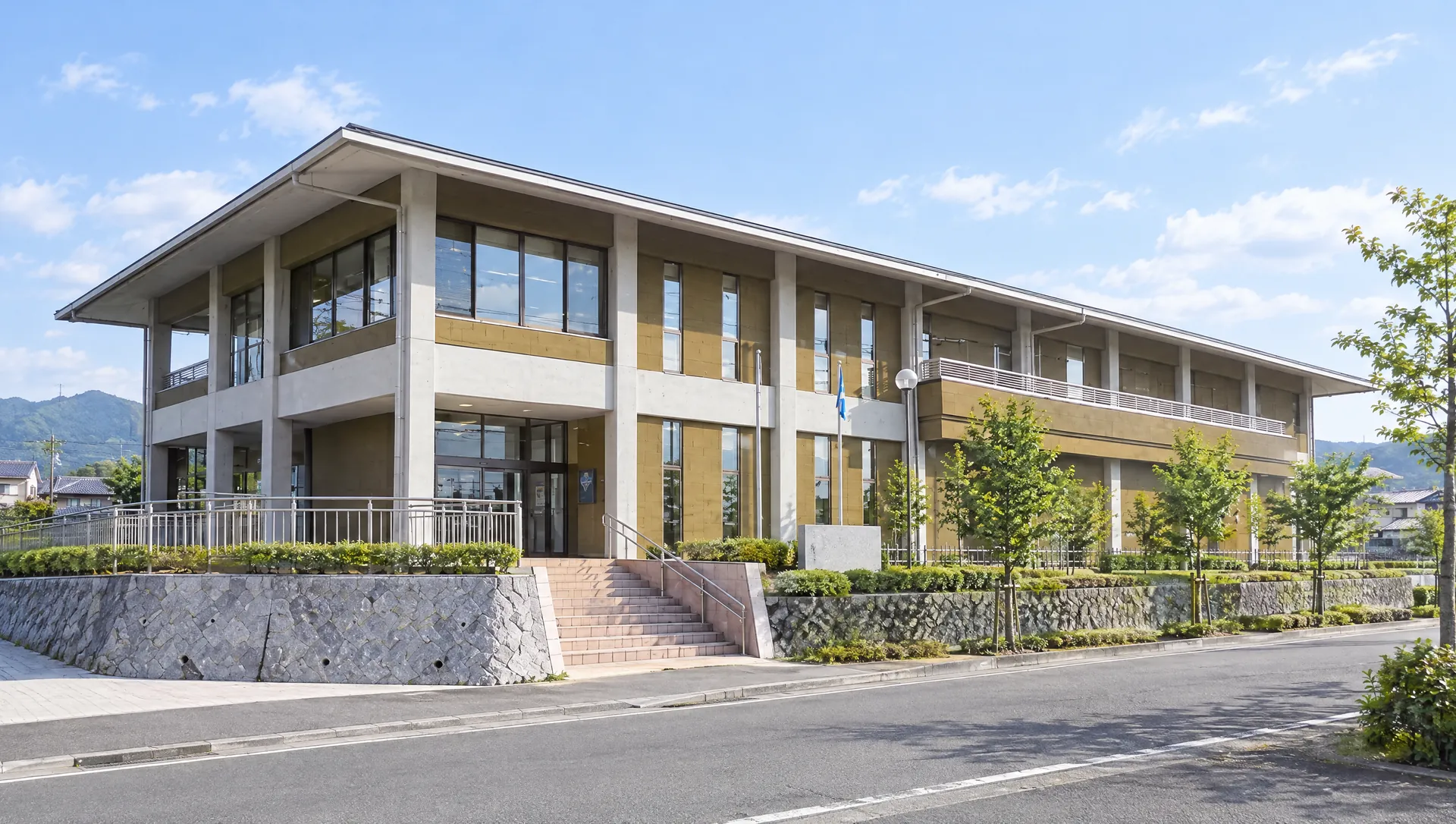
Discover Kashihara City Museum of History
The Kashihara City Museum of History stands beside the Niizawa Senzuka burial hills. Its predecessor, Kashihara City Chizuka Museum, opened in 1978 after the kofun cluster was designated a historic site; the present museum continues that site-museum role. Its galleries trace more than two millennia of local archaeology, from the late Jōmon period to the Edo era. This is the place to make sense of the modest mounds outside: excavated objects, replicas and interpretation explain why a landscape of hundreds of tombs matters.
Start with the landscape next door
Niizawa Senzuka contains hundreds of burial mounds, many of them modest in size. The museum identifies itself as a site museum for that cluster, so a visit before or after the park gives the paths archaeological context. The outdoor mounds and indoor collections are separate experiences with different access conditions.
Read the small mound through its far-reaching finds
Niizawa Senzuka Tomb No. 126 was a modest rectangular mound, about 22 metres east–west by 16 metres north–south, built in the latter half of the fifth century. Its wooden coffin held a remarkable group of objects: a very thin pale yellow-green glass bowl set on a dark-blue glass dish, gold ornaments, bracelets and rings, a bronze mirror, and a lacquer tray. The National Institutes for Cultural Heritage notes that the glass vessels' place of manufacture is not known; the dish's decoration has led researchers to suggest a Sasanian Persian origin. That is a scholarly attribution, not a proven trade route or the deceased person's birthplace. Kashihara City presents a possible immigrant background for the person buried here as a hypothesis. The museum's visitor information identifies replicas of famous Tomb No. 126 finds in its displays, so distinguish those interpretive reproductions from original objects held elsewhere. Then visit the mound in the adjacent park to connect the finds with the landscape that produced them.
The story extends beyond the kofun period
The city describes displays reaching from the late prehistoric period to the Edo era. Kashihara also contains Fujiwara Palace and historic Imaicho, so the museum gives visitors a wider local timeline rather than a single-tomb exhibition. Temporary shows alter what is visible on a particular date.
Follow objects from different parts of the city
Kashihara City's August 2026 introduction to the museum's permanent collection highlights about 260 objects and names examples from several archaeological settings: a Yayoi-period painted pot and wooden sword pommel from Tsuboi; a Kamakura-period human figure from Shindō; an Edo-period blue-and-white bowl from Imaicho; and objects from Fujiwara Palace, including Wado Kaichin coins and a Tang sancai figure. These examples let visitors compare how daily life, craft and exchange changed across periods and neighbourhoods. The page describes them as representative highlights, not a promise that every named object will be on display in a particular room on every date; check the museum's current exhibition information.
Handle selected archaeological objects
The museum's hands-on display includes selected excavated objects such as a large storage jar, a haji-ware flask and roof tiles, and haniwa. The city updated this visitor information on 15 October 2026. Touch only the objects marked for this activity and follow staff instructions; the display does not permit handling other cases or artefacts at the outdoor tombs.
Make an archaeology-inspired craft on selected days
Kashihara City's current workshop page says hands-on workshops are held on Saturdays, Sundays and public holidays, with advance phone reservation available through the museum. The listed examples include colour rubbings inspired by the recording methods used in archaeological work and stick puppets based on a Kamakura-period figure; the puppet activity is listed at ¥200. The city points visitors to the museum's Instagram schedule for actual dates, so neither activity is guaranteed on every weekend. Confirm the schedule, remaining places and any separate materials fee before travelling.
Ask a personal guide to shape your visit
Kashihara City's museum portal describes one-to-one personal guidance by volunteer guides, tailored to each visitor's interests and pace. The Kashihara City Tourism Association's feature, updated 4 March 2026, says a guide may be available on the day when one is free, but advises contacting or booking ahead if the guidance is essential to your visit. This is a useful possibility, not a guaranteed service or a published reservation confirmation; contact the museum to check availability. The museum portal also describes seasonal workshops and practical activities alongside the hands-on display, but these are not promised at every opening.
Walk through Fujiwara-kyo in the winter special exhibition
From 14 November 2026 to 31 January 2027, the museum plans the special exhibition 'Walking through Fujiwara-kyo', turning the exhibition room into an interpretation of the ancient capital that visitors can walk through. The city lists finds from Fujiwara Palace, nearby kilns, temples and roads, and recommends downloading its XR Fujiwara Palace app before the visit; the app is optional. The museum lists free admission on 8 November for KoFun Festa, 14–15 November for Kansai Culture Day and 3–9 December for Memorial Week, except the museum's Monday closure on 7 December; Kashihara residents and local-school primary/junior-high students are also free on Saturdays. Although the museum page mislabels 8 November 2026 as Saturday, the prefectural event listing and park operator confirm KoFun Festa is on Sunday 8 November. Three related lectures are scheduled for 20 December 2026, 17 January and 24 January 2027 at Silk no Mori Classroom 3, not at the museum. They require advance application, have a 70-person capacity and may use a lottery if oversubscribed; each includes an exhibition explanation after the lecture. Treat these as a separate event venue and confirm the form's current status before planning around one.
Plan an easier route through the building
Kashihara City's accessibility information lists a ramp on the approach, an elevator between floors, accessible toilets on both levels (including an ostomate facility upstairs), and loan wheelchairs and strollers; it also lists a nursing room. The same guide notes steps on one ground-level route, so do not assume every path is step-free. The city page does not show a recent revision date; contact the museum about the route and equipment you need before travelling.
What to look for
Niizawa Senzuka site-museum interpretation
Tomb No. 126 replicas and uncertain glass provenance
Kashihara archaeology across periods
Selected hands-on objects, seasonal workshops and personal volunteer guides (check schedules)
Photo notes
The reviewed visitor pages do not provide a blanket licence to photograph gallery objects or reuse museum images. Ask at reception about current camera rules and obtain permission for publication; do not take images of other visitors without consent.
Make a day of it
Explore guides close to this map point, then check the actual route before travelling. Distances below are straight lines, not walking distances or travel times; map points may not be entrances.
Sources & editorial status
Original MyNara draft based on the linked sources. Sources reviewed 25 October 2026. Opening arrangements, prices and offers may change; use the operator's current information before travelling.
- Current Kashihara City Museum of History portal — exhibitions, visitor guide, events and access
- Kashihara City museum history and predecessor
- Kashihara City — Niizawa Senzuka Tomb No. 126 (date, dimensions, coffin and interpretive hypothesis about the deceased)
- National Institutes for Cultural Heritage — e-Museum entry for the Tomb No. 126 finds (object details and qualified glass-vessel provenance)
- Kashihara City museum visitor information — hours, closures, admission and parking overview
- Kashihara City access, bus route and walking distance (updated 2026-03-30)
- Kashihara City — free East/West visitor parking, capacity, hours and car-navigation destination note (updated 2026-09-01)
- Kashihara City — accessibility information (ramp, elevator, toilets, loan wheelchairs/strollers and nursing room; revision date not displayed)
- Kashihara City hands-on display, updated 15 October 2026
- Kashihara City — examples from the museum's permanent collection (updated 13 August 2026)
- Kashihara City — weekend/public-holiday workshops, phone reservation, Instagram schedule and listed ¥200 stick-puppet fee (updated 14 September 2026)
- Kashihara City special exhibition 'Walking through Fujiwara-kyo' (14 Nov 2026–31 Jan 2027)
- Kashihara City Museum of History annual report — Memorial Week dates and free-admission programme
- Nara Prefecture event portal — KoFun Festa 2026, Sunday 8 Nov
- Park operator — KoFun Festa ninja activity confirming Sunday 8 Nov 2026 (separate ticketed activity; not included with museum admission)
- Kashihara City museum portal — personal volunteer guides, workshops and site visits
- Kashihara City Tourism Association — guide availability and advance-contact advice (updated 4 March 2026)
- OpenStreetMap building location