Ikoma Taisha: A Mountain Shrine and Its Fire Festival
A forested shrine at Mount Ikoma's foot links mountain worship, a fire deity and a vigorous autumn torch rite.
 Verified site photographs are being prepared.
Discover Ikoma Taisha: A Mountain Shrine and Its Fire Festival
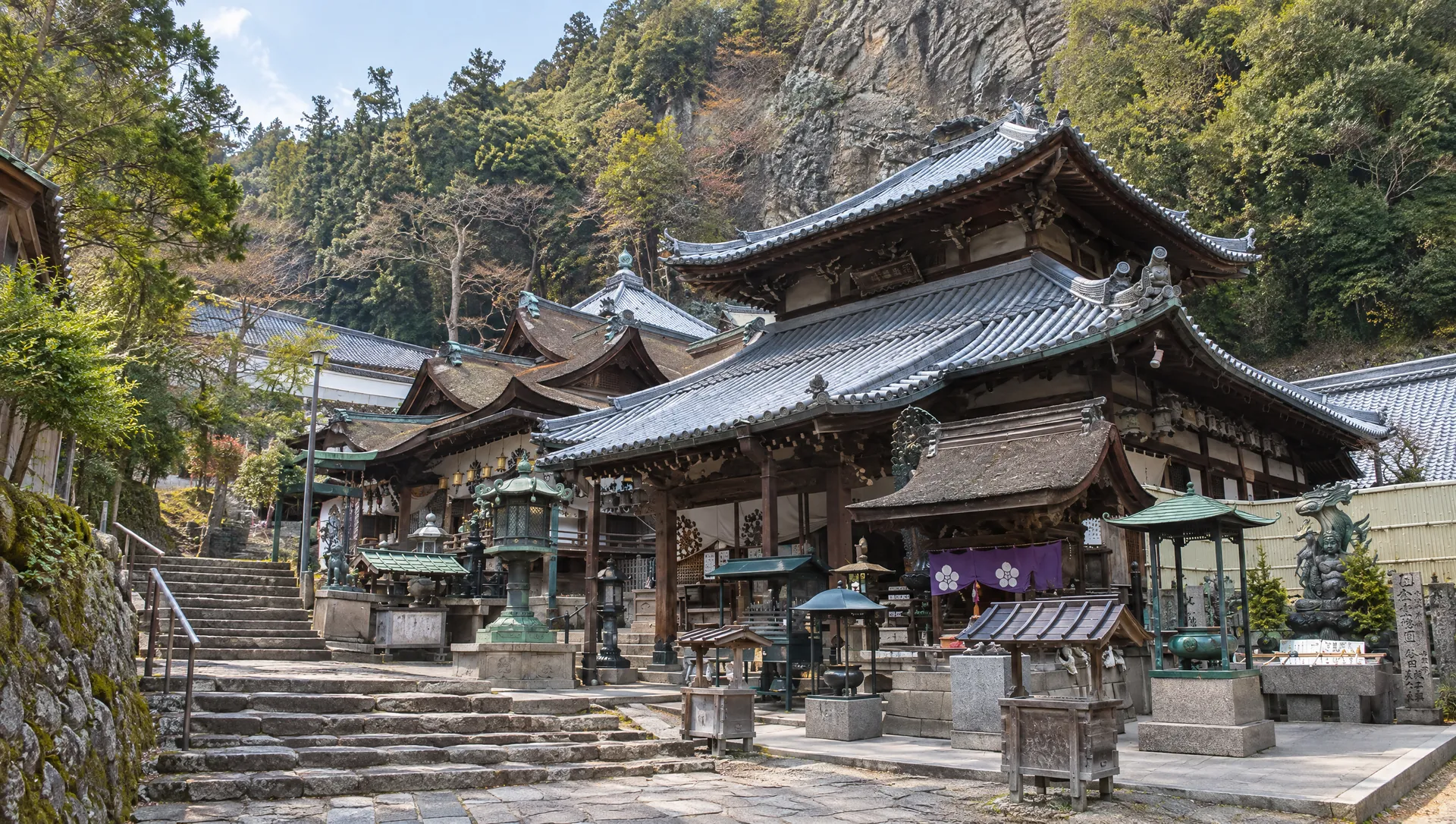
Ikoma Taisha, formally Ikoma ni Imasu Ikoma Tsuhiko Jinja, stands at the western foot of Mount Ikoma. Its shrine account says the mountain itself was once worshipped as the kami's presence, and links its faith to the wood used to kindle fire, rainfall and the agricultural cycle. The foundation date is uncertain: Ikoma City records a Yūryaku-era founding tradition, while the Nara-period documents provide the earliest historical reference it identifies. Seven kami are enshrined. The precinct's roughly three-hectare evergreen woodland is itself a Nara Prefecture natural monument, so the forest is part of the visit as much as the shrine buildings.
Understand the mountain, fire and seven enshrined kami
The shrine's current account names Ikoma Tsuhiko and Ikoma Tsuhime as the paired mountain-and-wood deities, alongside Okinagatarashi-hime (Empress Jingū), Tarashi-nakahiko (Emperor Chūai), Hondawake (Emperor Ōjin), Katsuragi Takanuka-hime and Okinaga-sukune-no-ō. Its history also reflects later Hachiman worship. The shrine describes the paired deities through the fire-making tools hikirikine and hikiriusu, linking wood, fire and the mountain's life. Treat the Yūryaku-era date as a foundation tradition, not a securely dated construction.
Walk beneath a protected evergreen canopy
Ikoma City's cultural-property record identifies about three hectares of shrine woodland as a prefectural natural monument. It describes a mature evergreen broadleaf forest led by tsuburajii, with trees including arakashi, kuroganemochi, sakaki and camphor. The city reports canopy trees over 20 metres among the surviving foothill woodland. Stay on public paths and do not enter planted or restricted areas; the sanctuary grove is a living sacred precinct, not a park trail.
See how the fire festival moves from mountain to village
The October Hi Matsuri is a prefectural intangible folk cultural property. The shrine explains the procession as welcoming the kami from Mount Ikoma down to the settlement for rites that give thanks for the harvest. The day includes a mikoshi procession, offerings, large torches, Naniwa kagura, the Bensuri dance and the climactic hitori rite: two fire-bearers carry lit torches down the seven steps at the worship site. This is an active religious ceremony with fire and crowd controls, not a staged show; visitors must follow stewards and stay outside the ritual route.
Check annual rites and festival access before travelling
The shrine's annual calendar includes monthly rites on the 1st and 15th, New Year ceremonies, Setsubun on February 3, the rice-planting rite on May 5, summer purification on June 30, lantern rites on August 15, harvest ceremonies and the fire festival around Sports Day in October. Some dates change by year. The 2026 fire festival took place on October 10–11 and has passed; no 2027 schedule appeared in the shrine notices checked on October 27. For the 2026 festival, the shrine's dated page prohibited car access and listed road closures; check a new notice for next year's route, closures and viewing guidance. The annual calendar does not specify visitor viewing or participation for every service, so confirm access before planning around a calendar-only rite.
Arrive by train for an ordinary visit
The address is 1527-1 Ichibucho. The shrine gives a seven-minute walk from Ichibu Station on the Kintetsu Ikoma Line, or a bus from Ikoma Station to Nakanabata 2-chome followed by about five minutes on foot; a taxi takes about six minutes. Its office hours are 08:00–17:00 from March through October and 08:00–16:30 from November through February. The amulet counter lists Sunday hours of 09:00–15:00, with amulets also available at the office. These are service hours, not an assurance that every hall is open; the directory lists free admission and all-hours access but notes irregular closures. Confirm the service you need before setting out.
Request a shrine prayer by phone
The shrine accepts advance reservations for Shinto prayer between 09:00 and 16:00 by telephone. Listed ceremonies generally take about 30 minutes; the published offering varies by purpose, including ¥5,000 for Shichi-Go-San and ¥10,000 for several other prayers. This is a devotional service, not a performance or drop-in tourist activity. Ask about the right ceremony, total offering, language support and the date; the operator says its web enquiry form does not accept prayer reservations.
What to look for
A sacred grove at the foot of Mount Ikoma
Documented links to fire-making wood and imperial rites
A two-day October festival culminating in a torch run down the shrine steps
Photo notes
No blanket commercial filming or image-reuse permission was found. Follow signs and shrine staff, do not enter the procession or fire-control areas, and avoid photographing worshippers or ritual participants at close range without consent. Obtain written permission before using shrine or tourism-site photographs.
Make a day of it
Explore guides close to this map point, then check the actual route before travelling. Distances below are straight lines, not walking distances or travel times; map points may not be entrances.

Sources & editorial status
Original MyNara draft based on the linked sources. Sources reviewed 27 October 2026. Opening arrangements, prices and offers may change; use the operator's current information before travelling.
- Ikoma Taisha — shrine identity, address, seasonal office hours and rail/bus access
- Ikoma Taisha — mountain, fire and Hachiman traditions
- Ikoma Taisha — annual calendar and October festival schedule
- Ikoma Taisha — 2026 fire festival, historical interpretation, route and closures
- Ikoma Taisha — seven kami, Mount Ikoma traditions and sacred woodland
- Ikoma Taisha — reserved prayer services, offerings and duration
- Ikoma City Digital Museum — documentary history, seven kami and cultural properties
- Ikoma City Digital Museum — prefectural natural-monument forest
- Official Nara Travel Guide — A00930 identity, admission and directory access