Sai-jinja: The Sacred Spring and Miwa's Mountain Gate
Visit a living shrine of healing prayer, see its medicinal-plant approach and spring, and understand why Mount Miwa entry requires a separate devotional registration.
 Verified site photographs are being prepared.
Discover Sai-jinja: The Sacred Spring and Miwa's Mountain Gate
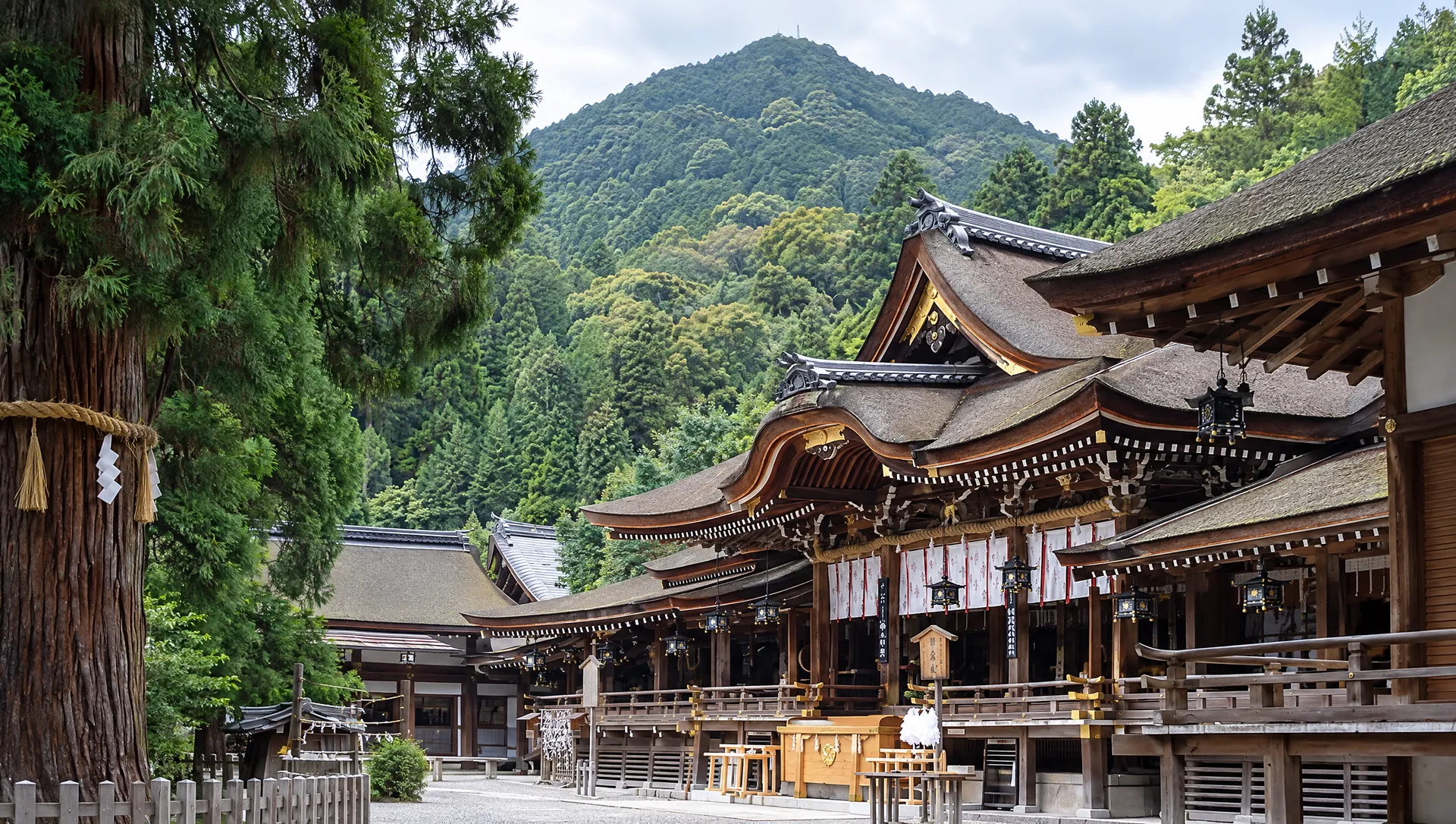
Sai-jinja is a distinct subsidiary shrine in Ohmiwa Jinja's sacred precinct, not another name for the main worship hall. It enshrines the aramitama, the vigorous aspect of Miwa's deity, and worshippers have long come to pray for recovery and bodily health. The shrine's own precinct guide calls its foundation in Emperor Suinin's reign a tradition, not a precisely dated building record. The annual Chinka-sai on 18 April, also known as the medicine festival, links this worship to prayers against illness and to today's pharmaceutical community. For a visitor, the spring by the worship hall and the path planted with medicinal trees make the association tangible. Neither the water nor a blessing should be described as medical treatment. Sai-jinja also houses the registration point for devotional entry to Mount Miwa; visiting this shrine does not itself grant permission to climb.
Follow the medicinal-plant path
Ohmiwa Jinja names the approach Kusuri-michi, or medicine path. Pharmaceutical businesses donated lanterns and medicinal plants along it. The operator's 2014 planting notice counted 46 kinds after additional planting, but that is a dated planting record rather than a guarantee that every species is still labelled or in season today. Read the signs as part of the precinct's history and continue to the smaller Sai-jinja worship area. The route connects the main shrine to a specific subsidiary sanctuary; allow time to return by the same signed path, especially if your onward destination is JR Miwa Station. The exact grade, step-free route and resting points require direct on-site confirmation.
Understand the well's religious meaning and limits
The Kusuri-ido well is beside Sai-jinja's worship hall. The shrine describes its water as goshinsui, sacred water sought by worshippers, and the belief that it heals illness belongs to religious tradition. The operator's 5 December 2025 notice stops large-volume collection in containers to protect the source and stops taking water at night from 18:00 to 06:00. That supersedes an older travel-directory suggestion that a visitor can simply fill bottles freely at any time. A small amount during permitted daytime use still depends on current shrine notices and supply. Do not recommend drinking it for a health condition or carrying it as a substitute for safe potable water.
Separate simple worship from a formal prayer
Visit Nara lists ordinary outdoor worship as free and the shrine as accessible throughout the year. Ohmiwa Jinja instead publishes a specific reception schedule for formal prayers: from 09:00 to 16:00, ending at 15:30 from December through February, with a starting offering of ¥5,000. New Year arrangements can change at the precinct. These times and fees are for prayer reception, not an entry ticket or a promise that indoor space is always open. If a formal prayer matters to your trip, ask the shrine about language support, reservation, the day's ceremony schedule and the exact offering before travelling.
Do not confuse the mountain gate with a trailhead
The registered route onto Mount Miwa begins near Sai-jinja, but the mountain is Ohmiwa Jinja's sacred body. The shrine requires an application here and sets religious, language, phone, date, weather and safety conditions. Its current guidance explicitly rejects putting the ascent into a tour itinerary. Foreign visitors must be able to understand the Japanese instructions themselves or with a suitable interpreter, have a group member with a domestic Japanese phone number, and undertake the ascent as worship. Entry has been suspended in severe heat and on festival days; check the operator's current notice even if an older directory describes an always-open shrine. A visitor can worship at Sai-jinja and see the path without applying to ascend.
Respect people and image rights
This is an active religious precinct. The shrine allows modest personal snapshots outside posted no-photography areas, but prohibits photographs in halls and during prayer, and asks visitors not to expose worshippers' private information written on ema plaques. The mountain interior is a no-photography zone. MyNara would need advance permission for a production or publicly published shoot and has not licensed the operator's photos. Focus on the path and exterior only when staff and signs allow, and do not interfere with worshippers collecting water or waiting for prayer.
What to look for
Aramitama worship and the 18 April Chinka-sai medicine festival
Kusuri-michi medicinal planting and the Kusuri-ido sacred well
The distinct Mount Miwa pilgrimage registration and strict entry rules
Photo notes
No site-specific image has been licensed. Ohmiwa Jinja's visitor guidance allows restrained personal photos outside prohibited areas but bars photography inside worship/prayer halls and on Mount Miwa, and asks people to protect worshippers' privacy. Public/editorial production and reuse require advance operator permission, which can take about a week. Do not copy shrine photos or photograph worshippers or prayer plaques without consent.
Make a day of it
Explore guides close to this map point, then check the actual route before travelling. Distances below are straight lines, not walking distances or travel times; map points may not be entrances.
Sources & editorial status
Original MyNara draft based on the linked sources. Sources reviewed 19 October 2026. Opening arrangements, prices and offers may change; use the operator's current information before travelling.
- Ohmiwa Jinja — Sai-jinja deity, Chinka-sai, prayer hours and offerings
- Ohmiwa Jinja — precinct map locating Kusuri-michi, well and mountain gate
- Ohmiwa Jinja — 2025 water-source and night-collection restriction
- Ohmiwa Jinja — Mount Miwa registration and foreign-visitor conditions
- Ohmiwa Jinja — Sakurai route-bus discontinuation notice
- Ohmiwa Jinja — visitor photography and privacy rules
- Ohmiwa Jinja — production photography and publication application
- Visit Nara A01189 — shrine identity, Miwa access and ordinary free worship