Anzanji Temple and the Koyasu Jizo
Reserve a visit to a small community-kept temple whose early-Heian Jizo image is linked by tradition to Murouji.
 Verified site photographs are being prepared.
Discover Anzanji Temple and the Koyasu Jizo
Anzanji in Murou-Sanbonmatsu is known locally as Koyasu-san, after its Koyasu Jizo image associated with prayers for childbirth and children. Uda City's tourism office identifies the standing statue as an early-Heian Important Cultural Property carved from a single kaya-wood block. The temple's story is also entwined with Murouji: the dimensions of a halo at Murouji have prompted the view that the Anzanji image once stood there. That relationship is a scholarly or local interpretation, not a documented itinerary of the statue's every move. The Nara visitor bureau lists viewing by advance reservation, making this a planned encounter rather than an open-door temple stop.
Meet the image as a protected work
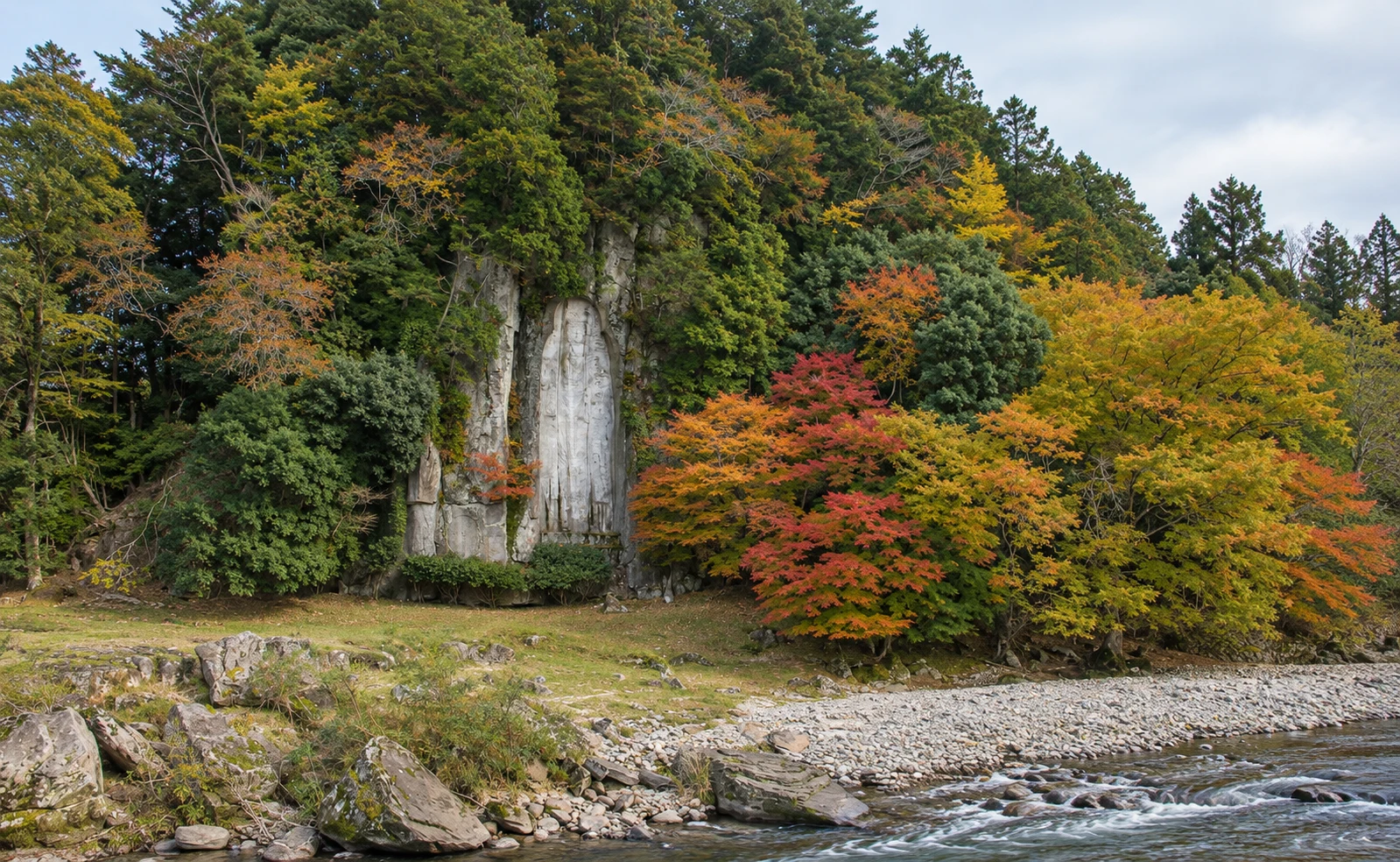
Uda City's guide describes the Koyasu Jizo as a standing Jizo Bodhisattva made in the early Heian period from one piece of kaya wood. It is designated an Important Cultural Property. This material and construction matter: the statue's head and body were shaped from the same timber, a different prospect from a modern assembled figure. The image is not an outdoor roadside carving; confirm a viewing appointment before travelling and respect instructions for the inner space and photographs.
Separate legend from provenance
A local story says the statue washed downstream in a flood, was recovered near Kaijinsha Shrine and became too heavy to move when villagers reached the place where they built a hall. That is a foundation legend, not evidence for a specific flood date. The city's explanation also notes that a halo preserved at Murouji is close to the image in size, suggesting the statue may once have been kept at Murouji before reaching Anzanji by the Edo period. The Four Temple Pilgrimage's Murouji guide notes the same proposed halo connection.
Notice the community's role
The Nara visitor bureau identifies the Nakamura neighbourhood association as managing the Koyasu Jizo. A municipal research report describes the local group preserving the hall and image and mentions a Jizo observance connected with the August fourth-Sunday festival. These records explain why access depends on community caretakers and why a quiet visit differs from attending a public festival. Do not assume historic monthly viewing dates remain an open booking schedule in 2026; ask the current contact.
Book before walking from Sanbonmatsu
The prefectural visitor page gives a 9:00–16:00 viewing window with advance reservation and contact telephone 090-3268-5859. Uda City's tourism guide places Anzanji at Murou-Sanbonmatsu 2932, around twenty-five minutes on foot from Kintetsu Sanbonmatsu Station. Neither checked listing states a current admission or donation amount, a guaranteed English-language guide or daily availability. Ask the caretaker for the date, viewing time, fee or offering, access and photography conditions before setting out.
Plan a respectful nearby route
Anzanji is in the wider Sanbonmatsu area, while Murouji and Murou Ryuketsu Shrine are separate valley destinations. Seeing the former Murouji halo connection does not make all three sites walking-distance neighbours. The nearby Udaji Murou Road Station offers a practical rail-side stop, but its staff and restaurant have their own hours. Give a reserved Anzanji appointment priority over an improvised multi-stop route, and be ready for slopes or local roads on the walk.
What to look for
Early-Heian single-block kaya-wood Koyasu Jizo
Proposed historical connection to a Murouji halo
Community-kept small temple with advance-reservation viewing
Photo notes
Neither city nor prefectural images are licensed for MyNara. Ask the caretaker before photographing the Important Cultural Property, hall or local residents; flash, tripod and commercial use may be restricted. Do not enter the storage space or move ritual objects for an image. Future MyNara photography requires specific permission from the managing association.
Make a day of it
Explore guides close to this map point, then check the actual route before travelling. Distances below are straight lines, not walking distances or travel times; map points may not be entrances.
Sources & editorial status
Original MyNara draft based on the linked sources. Sources reviewed 20 October 2026. Opening arrangements, prices and offers may change; use the operator's current information before travelling.