
Sōmen Morishō: A Garden Lunch Beside Ōmiwa Shrine
Choose warm nyūmen or seasonal chilled noodles at a small shrine-side dining room.
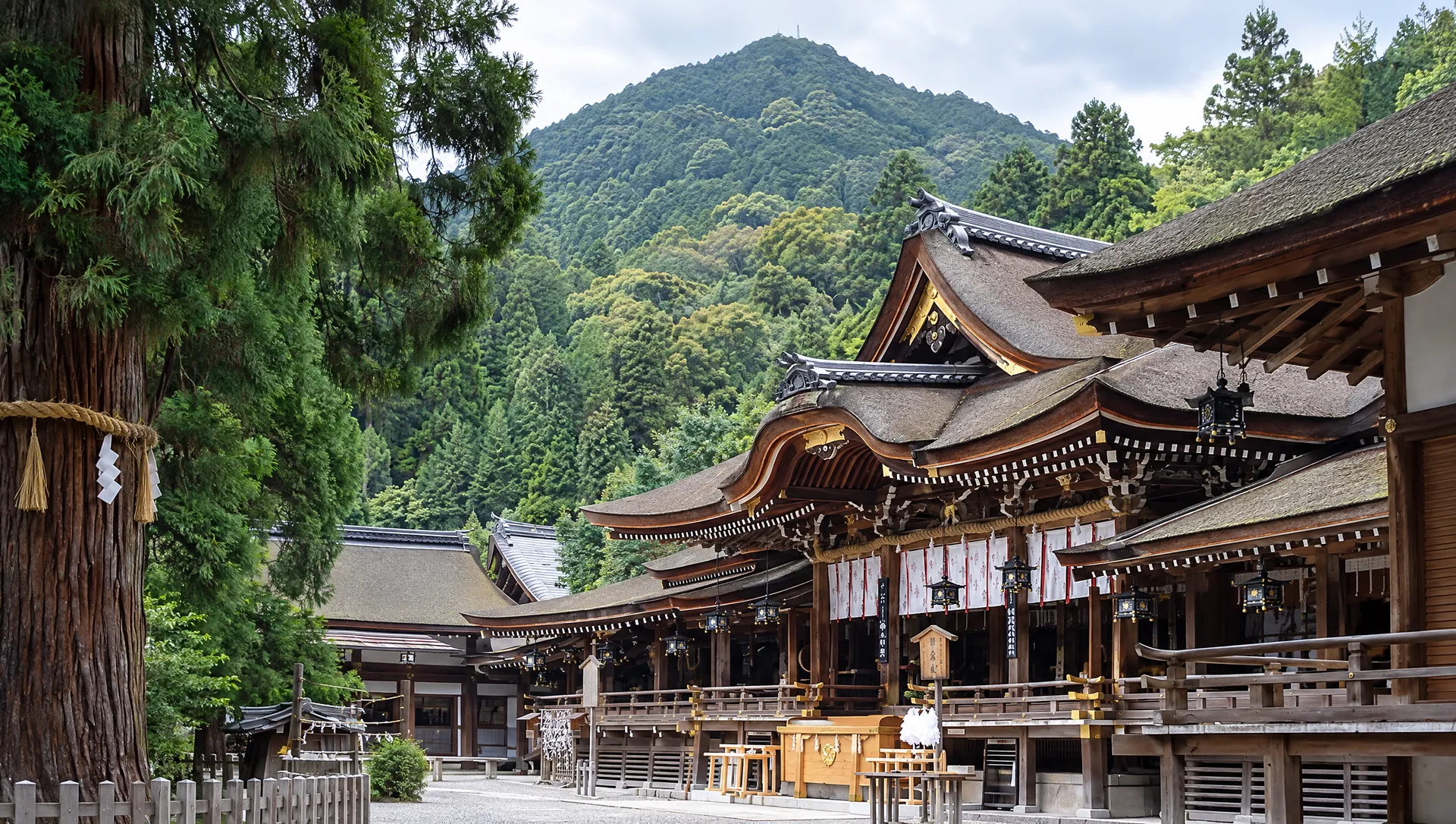
 AI-generated visual study · not a documentary photograph
Discover Sōmen Morishō: A Garden Lunch Beside Ōmiwa Shrine
Morishō is a sōmen restaurant immediately left of Ōmiwa Shrine's second torii. It works well after visiting the shrine because the menu makes Miwa noodles a meal rather than a box to carry home. The operator offers year-round warm nyūmen, seasonal chilled preparations and sets with kakinoha-zushi or rice. Its traditional gate and hemp curtain set a distinctive scene, but this is a functioning restaurant, not a preserved house or a hands-on noodle-making class.
Choose a noodle by season
The operator's current menu puts warm nyūmen at ¥1,050 year-round. Thick sōmen served from the pot is listed at ¥1,150 for autumn through spring, while chilled sōmen at ¥1,200 is offered from spring into autumn. A more elaborate chilled nyūmen appears in summer. The names and formats matter: nyūmen usually means noodles in seasoned broth, not simply another chilled serving. Confirm the menu at the entrance because weather, ingredients and preparation can change it.
Add another local food if you have time
The current menu lists warm nyūmen with three pieces of kakinoha-zushi at ¥1,650 and a separate five-piece sushi plate at ¥1,050. Kakinoha-zushi is pressed fish-and-rice sushi wrapped in persimmon leaves; ask about the fish and other ingredients if you have dietary restrictions. The restaurant also lists seasonal rice, sweets and drinks. Those combinations offer a broader Nara lunch but are not a fixed tasting course.
Read the gate without inventing a historic stay
Morishō's own introduction connects its front gate with a Miwa tea house appearing in Chikamatsu Monzaemon's play The Courier for Hell. The restaurant presents this as the gate from the Miwa teahouse episode in the play; it is a site story supplied by the operator, not independent proof that the present dining room is a preserved historic teahouse. The hemp curtain, garden setting and shrine path are tangible things to observe today. Ask staff where seating is available and respect diners' privacy.
Check the day before relying on lunch
The operator currently lists weekday 10:40–15:30, Saturday 10:30–16:00, Sunday 10:00–16:00 and holiday 10:30–16:00. On the first of the month it lists 09:00–13:30. Monday and Tuesday are normal closures, with extra days and substitutes after first-of-month or holiday opening. The site warns that weather or sold-out ingredients can end service early. Its access page says there is no restaurant parking and estimates five minutes from JR Miwa; use lower-area public parking if driving.
What to look for
Year-round warm nyūmen and seasonal cold preparations
Kakinoha-zushi set beside the shrine approach
Hemp-curtained gate left of Ōmiwa Shrine's second torii
Photo notes
No food, interior, garden or customer image is licensed for MyNara. Ask staff before photographing the dining space and other guests; do not reuse restaurant or directory photography.
Make a day of it
Explore guides close to this map point, then check the actual route before travelling. Distances below are straight lines, not walking distances or travel times; map points may not be entrances.

Sources & editorial status
Original MyNara draft based on the linked sources. Sources reviewed 20 October 2026. Opening arrangements, prices and offers may change; use the operator's current information before travelling.