Fukujindo: Miwa Somen and Persimmon-Leaf Sushi by Omiwa Shrine
Pair hand-stretched Miwa somen with kakinoha-zushi at a small local restaurant on the approach to Omiwa Shrine; check the seasonal menu before visiting.
 Verified site photographs are being prepared.
Discover Fukujindo: Miwa Somen and Persimmon-Leaf Sushi by Omiwa Shrine
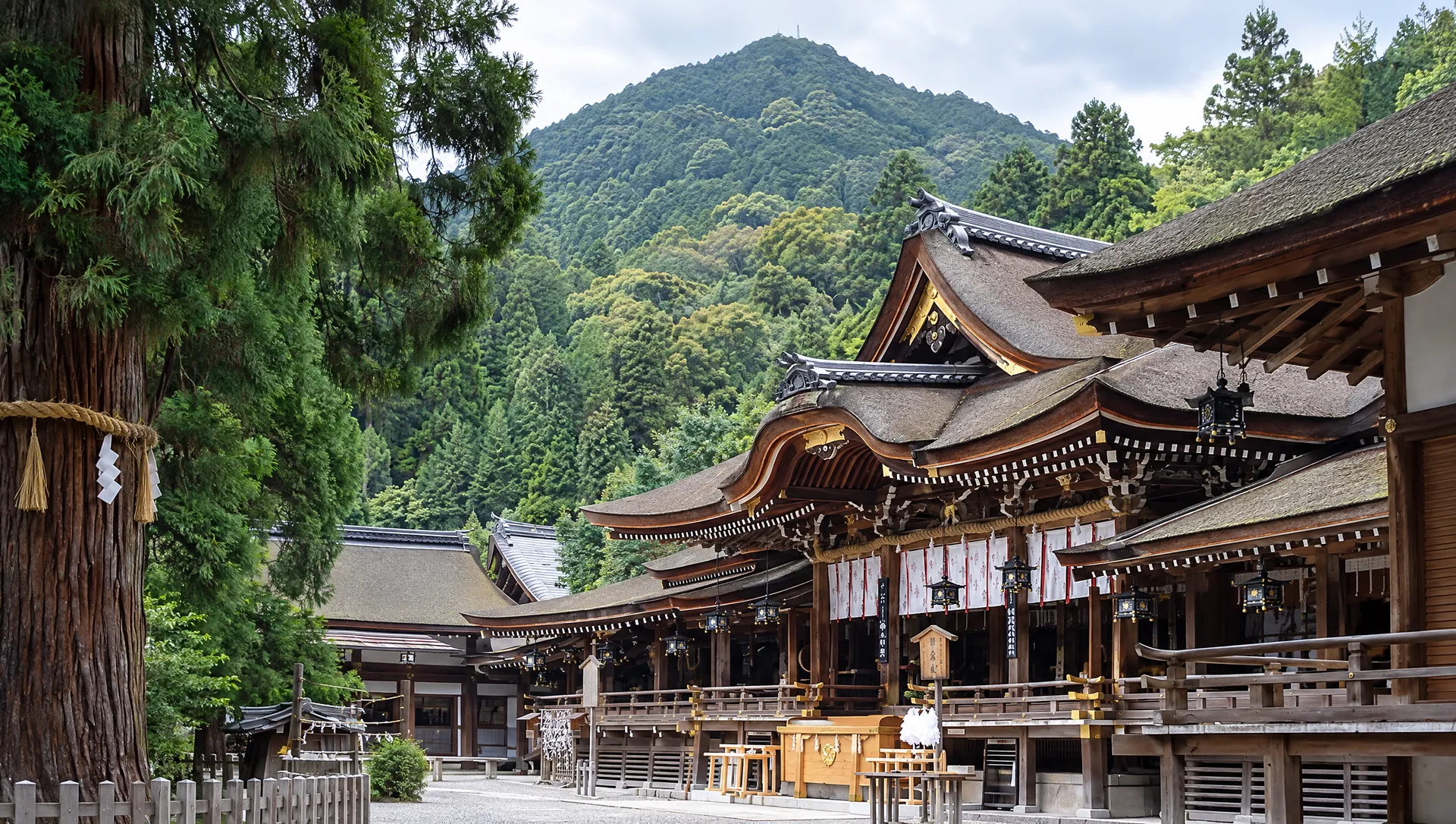
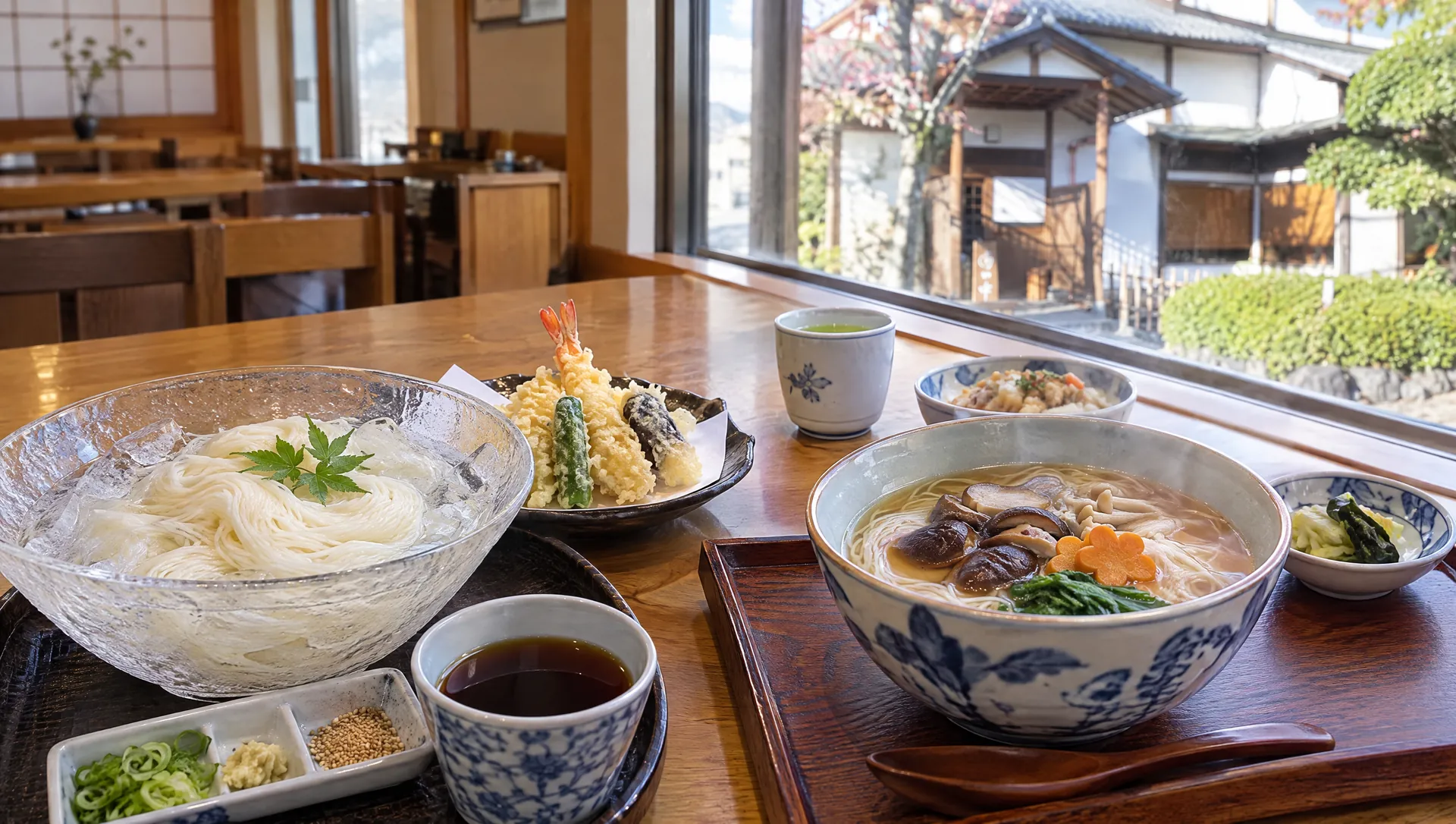
Fukujindo is a local noodle restaurant on the approach to Omiwa Shrine, where a meal can fit naturally before or after a visit to the shrine. The owner identifies chilled Miwa somen with kakinoha-zushi as its most popular combination and says its bukkake-style somen won a Sakurai food grand prix. The operator's current menu also lists nyumen, a warm noodle soup, rice bowls, udon and soba. That mix makes the stop useful across seasons: chilled noodles suit warmer days, while hot nyumen and the locally familiar dashi offer a different winter meal. Miwa somen is a hand-stretched noodle with a long local tradition; the Ministry of Agriculture traces its origin story to the area around Omiwa Shrine and notes its resilient texture and connection to the old Miwa post town. The history belongs to the regional food tradition, not a claim that this restaurant itself is centuries old.
Choose chilled somen or warm nyumen
The operator identifies chilled Miwa somen with kakinoha-zushi as its most popular set and says its bukkake somen won the Sakurai Gourmet Grand Prix. Its currently posted, undated menu lists somen-and-sushi sets at ¥1,000, standalone cold or bukkake somen at ¥780, and nyumen at ¥880. Because that same page still displays a March 2025 renovation closure notice, treat these as menu-board examples rather than a guaranteed current tariff. The restaurant's own concept page describes its dashi preparation; Sakurai's regional guide describes Miwa somen's firm texture. Check the menu and today's availability before ordering.
Understand the regional noodle tradition
Miwa is widely regarded as one of Japan's somen-origin areas. The Ministry of Agriculture's traditional-food guide says the noodles are made in winter from wheat flour, water and salt, using repeated resting stages that produce a smooth, resilient texture. It records a local origin tradition connected to Omiwa Shrine and explains how travellers on the Ise pilgrimage route helped spread the hand-stretched method. The Miwa Somen Cooperative also documents the annual Bokujo-sai at Omiwa Shrine, which consults on that year's first-trade price. Keep the distinction clear: these sources explain the region's food heritage; they do not certify a particular dish, recipe or historical claim about Fukujindo.
Add kakinoha-zushi to the meal
The operator's menu offers kakinoha-zushi by the piece or in a set with somen; the posted price is ¥150 per piece or ¥750 for five. The leaf wraps a compact pressed sushi and contributes aroma as the rice, fish and leaf rest together. The menu also lists chirashi sushi and bowl-and-noodle sets, so companions who do not want somen have other choices. Confirm which fish or seasonal items are available, and ask staff about ingredients if you have an allergy or dietary restriction. A menu listing does not guarantee that every dish is stocked throughout the day.
Make it a convenient shrine-side stop
Fukujindo's address is 1237-1 Miwa, Sakurai City. Visit Nara estimates six minutes on foot from JR Miwa Station; Sakurai Tourism Association places it among the local somen restaurants near the shrine approach. The operator lists 10:00–16:00 and Thursday closure, matching the prefectural directory. Sakurai's somen map lists 90 seats and nearby public parking rather than an exclusive customer lot; confirm parking and group seating with the restaurant. English menu support is not documented by the operator, while the official Nara listing says there is no English menu and some dishes are shown in photographs. Save a menu photo or point to the dish name when ordering.
What to look for
Cold Miwa somen, warm nyumen and kakinoha-zushi sets
Located on the Omiwa Shrine approach, about six minutes from JR Miwa Station
Regional noodle history is documented by MAFF; current menu prices come from the restaurant
Photo notes
Do not reuse restaurant or tourism-site photographs without permission. Ask staff before photographing inside or other customers. A generated noodle image would not represent the actual bowl, portion or seasonal toppings served that day.
Make a day of it
Explore guides close to this map point, then check the actual route before travelling. Distances below are straight lines, not walking distances or travel times; map points may not be entrances.

Sources & editorial status
Original MyNara draft based on the linked sources. Sources reviewed 20 October 2026. Opening arrangements, prices and offers may change; use the operator's current information before travelling.
- Fukujindo — operator introduction and current posted hours
- Fukujindo — operator menu and listed prices
- Sakurai Tourism Association — Miwa somen restaurants and regional food background
- Sakurai Tourism Association — Miwa somen map, Fukujindo menu and seat information
- Japan Ministry of Agriculture — Miwa somen history and food characteristics
- Official Nara Travel Guide D00280 — address, access and language note
- Miwa Somen Cooperative — local origin tradition and Bokujo-sai