
Emperor Jimmu's Mausoleum: Understand a Living Memorial
Approach the Imperial Household Agency's worship point for Jimmu beneath Mount Unebi, with legend and archaeological certainty kept separate.
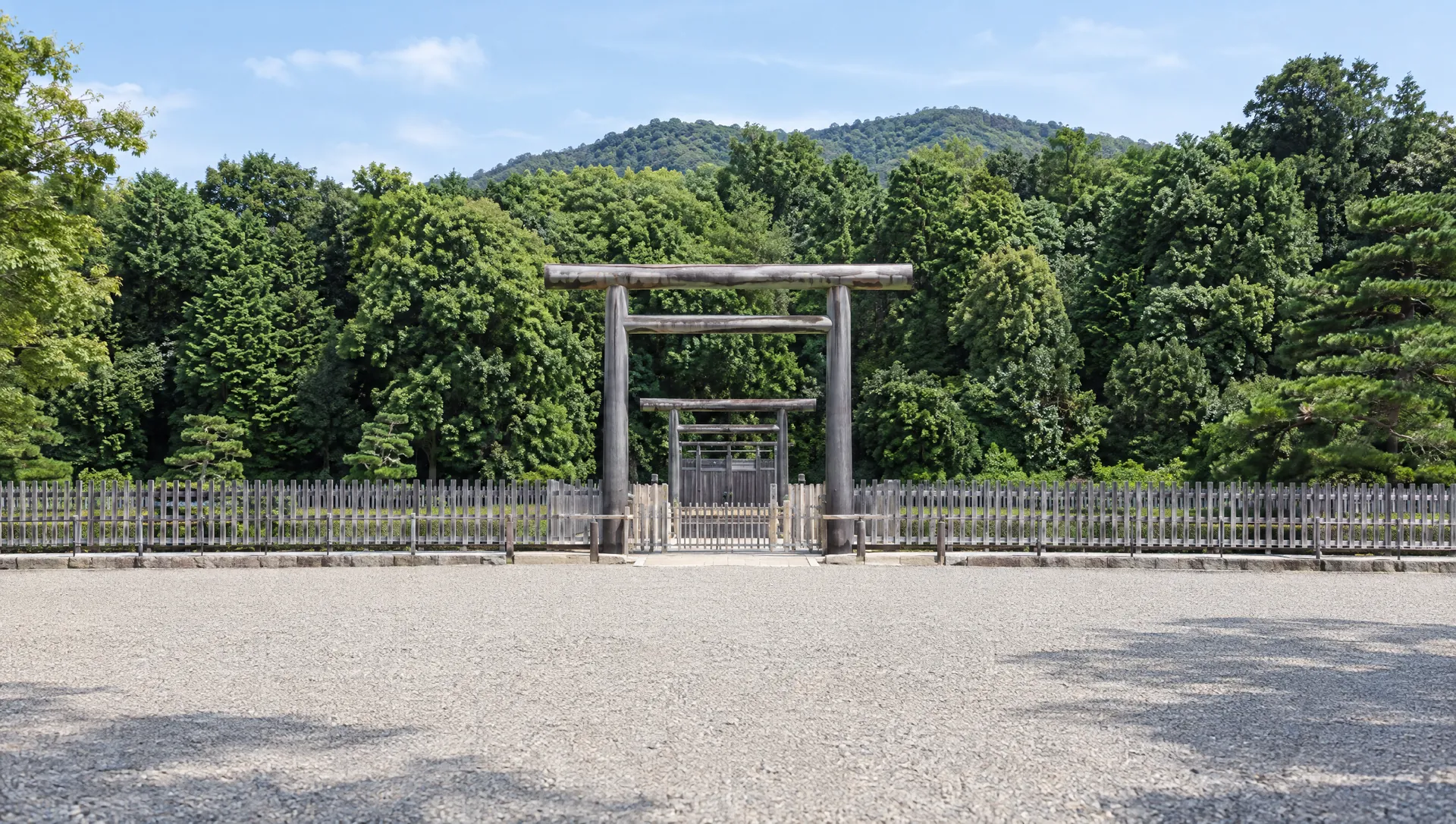 AI-generated visual study · not a documentary photograph
Discover Emperor Jimmu's Mausoleum: Understand a Living Memorial
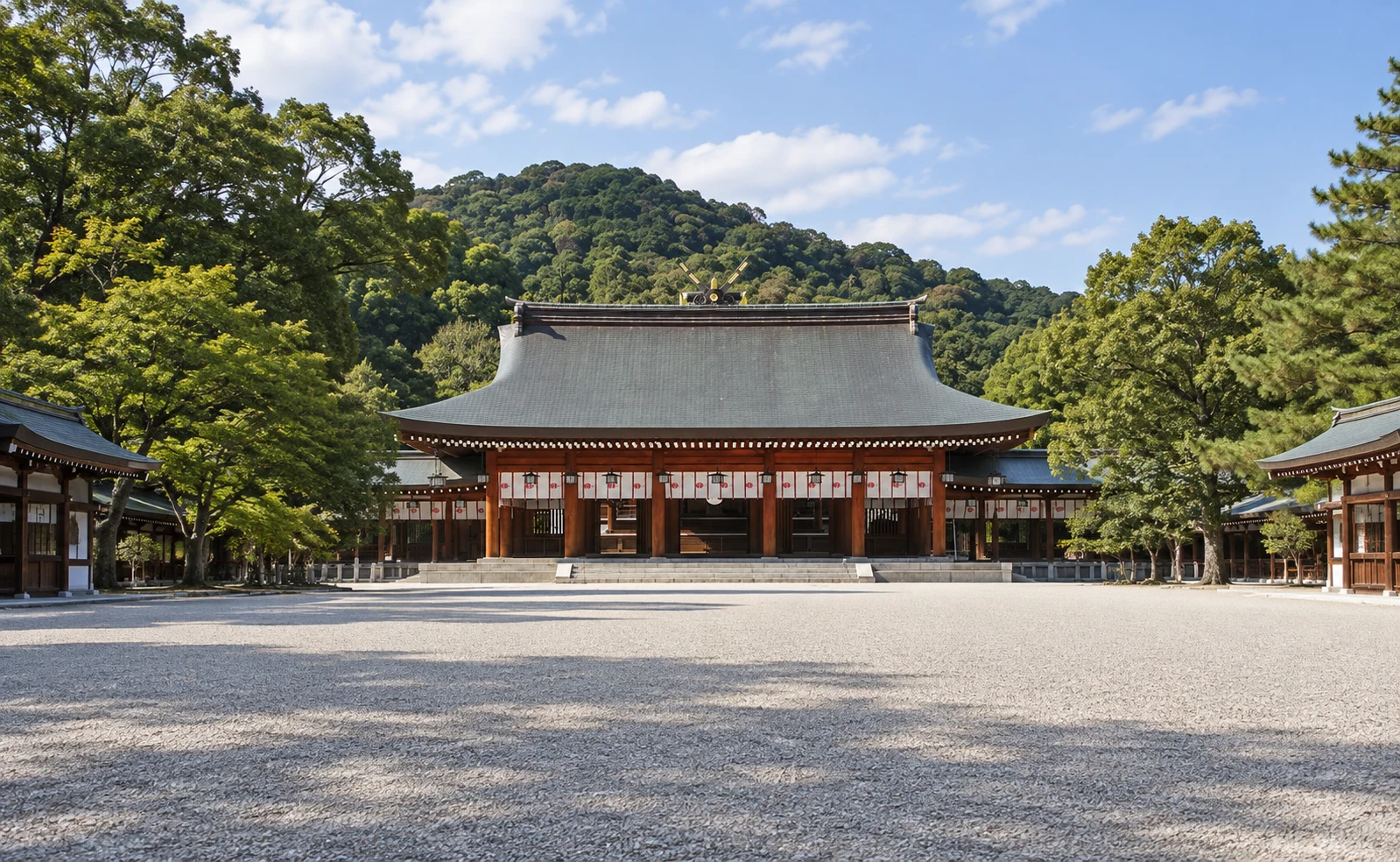
The Imperial Household Agency identifies this forested ground northeast of Mount Unebi as Unebiyama-no-Ushitora-no-Sumi-no-Misasagi, the mausoleum of the first emperor named in Japan's classical chronicles. A visitor encounters a formal approach and a worship point rather than a tomb chamber open to inspection. The stories of Jimmu's migration and accession belong to the Kojiki and Nihon Shoki tradition; they should not be mistaken for an independently verified excavation of this particular burial. Kashihara Jingū, which commemorates the same figure, lies south of the mountain and is a distinct shrine founded in 1890.
Know what is officially designated
The Agency lists the tomb as a round mound in Kashihara's Okubocho and administers it through the Unebi mausoleum office. That official designation tells a traveller which memorial is maintained and where prayer is permitted. It is not an archaeological visitor report proving the dates or biography of the legendary first emperor. Kashihara City's heritage page explicitly introduces the eastward journey as a story told by the Kojiki and Nihon Shoki.
Expect a worship point rather than interior access
The public route leads toward a front worship place within a managed wooded precinct. The mound, chamber and protected interior are not part of ordinary public access. Do not promise a stone chamber, excavation displays or a walk over the hill. What makes this stop meaningful is the contrast between the very quiet formal space and the busy shrine precinct farther south; allow time to stand and read the name before moving on.
Check the day, time and surface underfoot
The Agency gives roughly twelve minutes on foot from Kintetsu Unebigoryōmae and lists ordinary visiting hours of 08:30–17:00 throughout the year. Its general rules warn that some mausoleums may have no public access on Saturdays, Sundays, public holidays, 29 December–3 January, or during ceremonies and other operational restrictions. The precise exception depends on the site, so check the Agency notice or call the Unebi office before a weekend or holiday visit. Some approaches elsewhere have gravel, slopes or steps; ask about this approach if you need step-free access, and leave time to return before 17:00.
Keep this route respectful and distinct
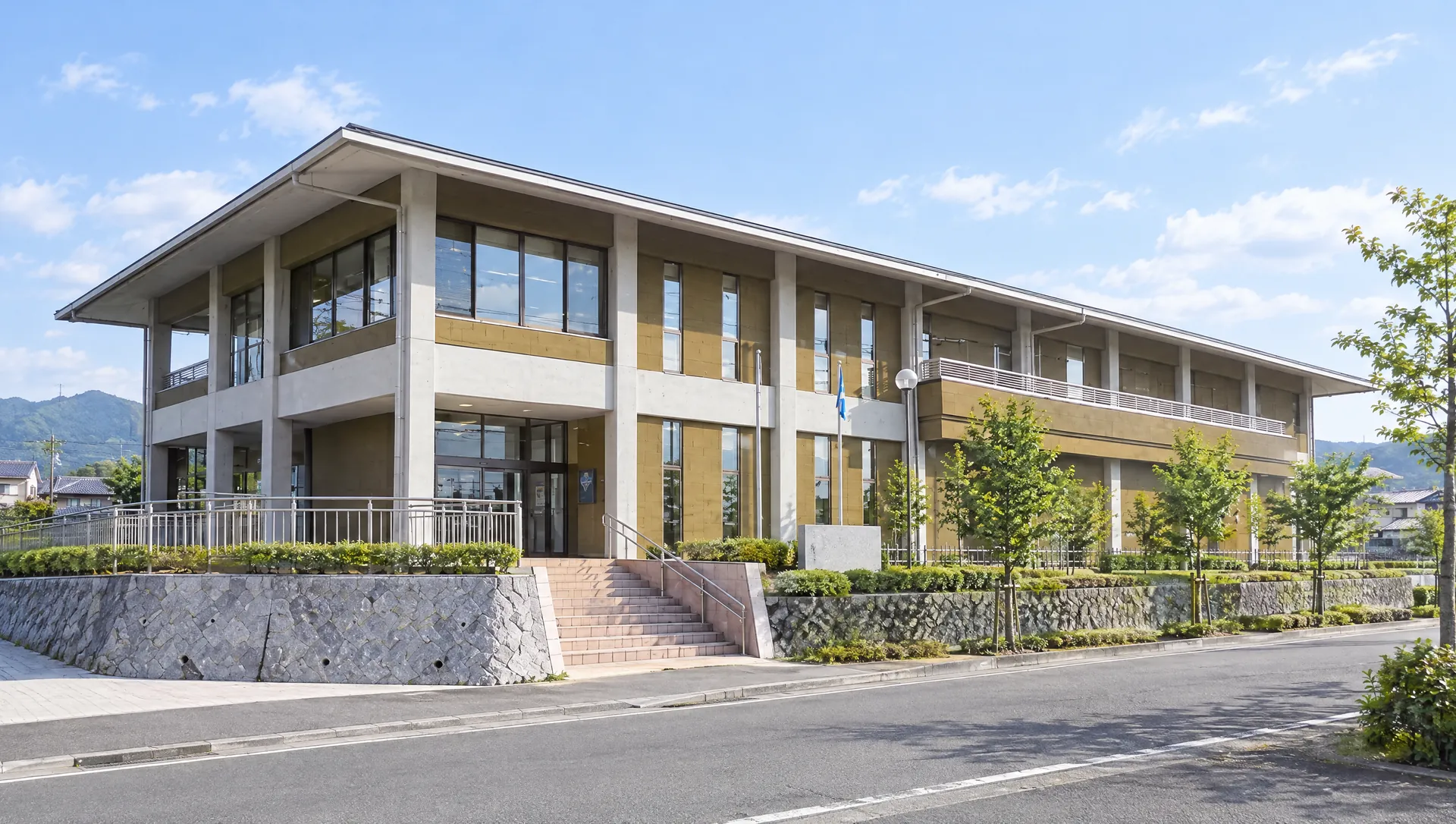
The Agency forbids smoking or other fire risks, pets except assistance dogs, drones and conduct that disturbs other visitors. The tomb is an official worship site, not an excavation attraction: remain on the approach and do not enter or climb the protected mound. The optional mausoleum stamp is kept at the Unebi mausoleum office, 71-1 Okubocho, rather than at the tomb entrance. The office generally operates 08:30–17:00, but staff may be unavailable on weekends, holidays, 29 December–3 January, during events or for other operational reasons. Kashihara City's Unebi–Imaicho walking route links this area with the shrine and Imaicho; follow public paths rather than assuming a shortcut through protected grounds.
What to look for
Agency-managed memorial and front worship place
Forested Mount Unebi setting away from the shrine's main approach
A chance to distinguish written origin stories from visitable remains
Photo notes
No mausoleum photograph is licensed for MyNara. Stay within the permitted approach, do not fly a drone, and avoid photographing mourners or worshippers. Seek Agency guidance before a commercial shoot; a public map image is not a reusable site photograph.
Make a day of it
Explore guides close to this map point, then check the actual route before travelling. Distances below are straight lines, not walking distances or travel times; map points may not be entrances.
Sources & editorial status
Original MyNara draft based on the linked sources. Sources reviewed 20 October 2026. Opening arrangements, prices and offers may change; use the operator's current information before travelling.
- Imperial Household Agency — designation, hours, rail access and office
- Imperial Household Agency — access exceptions and prohibited acts
- Imperial Household Agency — mausoleum stamp locations, hours and availability
- Kashihara City — Jimmu story explicitly presented as chronicle tradition
- Kashihara City — separate Unebi to Imaicho walking route
- Wikidata — approximate managed-ground map point only